Video Marketing Strategy: Complete Guide for 2026

Co-founder of Yum Yum Videos | Explainer Video & Video Marketing Expert

A video marketing strategy answers a simple question before production starts: what job should each video do for the business? One piece may introduce a problem to new prospects. Another may explain the product. A testimonial can help a buyer compare options. A tutorial can help a customer get value after the sale.
Without that plan, companies often end up with a collection of videos that look good individually but do not work together. The homepage has an explainer, sales has a demo, social has short clips, and nobody is quite sure which audience each piece was built for or how performance should be measured.
This video marketing guide shows how to build a video marketing strategy around goals, audience, funnel stage, content type, production, distribution, SEO, and measurement. At Yum Yum Videos, an animated video company, we have produced more than 1,000 videos since 2012, so several of the recommendations below come from decisions we make with clients before a script is written.
Table of Contents
TL;DR: How to Build a Video Marketing Strategy
- Choose one business goal for each part of the strategy.
- Define the audience and the questions they have at each stage.
- Map video types to awareness, consideration, decision, and customer education.
- Create a shared visual and messaging system so the videos feel connected.
- Plan distribution before production.
- Use search demand to shape topics, titles, and supporting pages.
- Measure each video against the job it was built to perform.
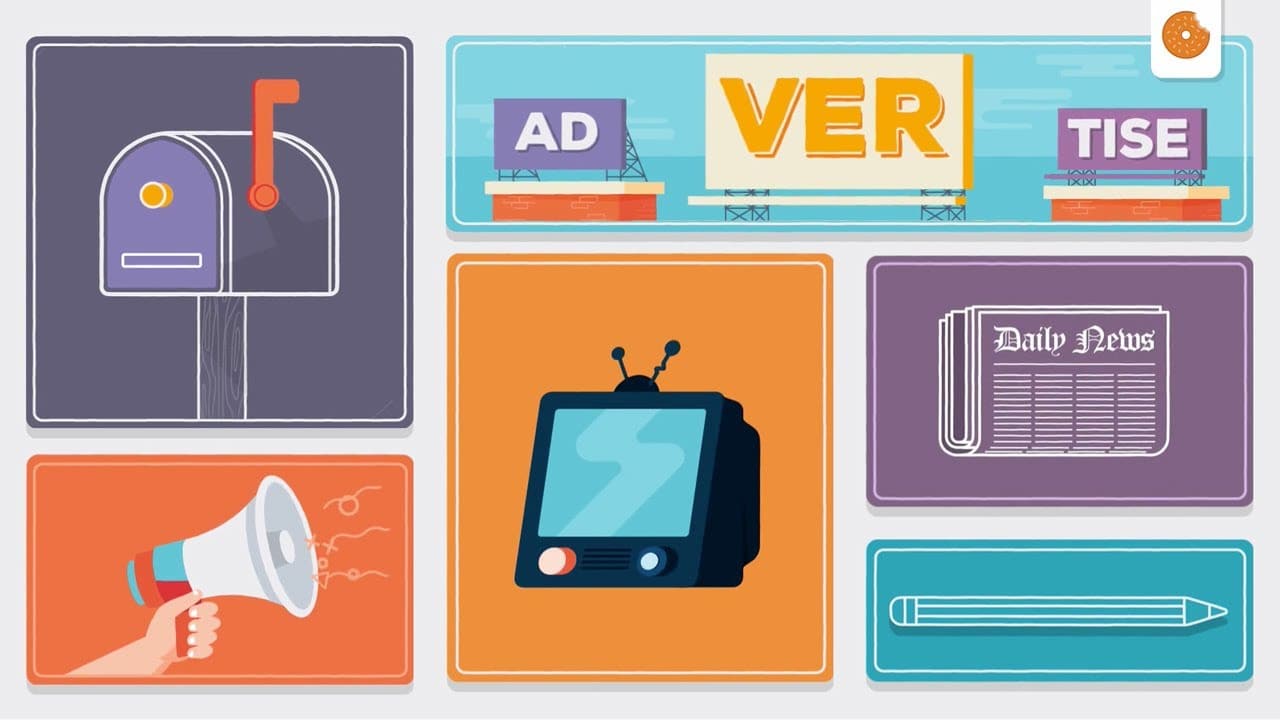
What Is a Video Marketing Strategy?
A video marketing strategy is the plan that defines why a business creates video, who each piece is for, where it will be published, and how success will be measured.
Video marketing itself is broader. It includes the use of video to educate prospects, explain products, build trust, support sales, onboard customers, train employees, and promote a brand. A strategy connects those individual uses so the content supports the same business goals.
There are many types of video content for business. The useful question is not whether a format is popular. It is whether that format solves the next communication problem in the buyer or customer journey.
Why Video Strategy Matters
Different viewers need different information. Someone discovering a problem for the first time does not need the same video as a procurement team comparing vendors. A current customer learning a feature has another need entirely.
A good video content strategy prevents one video from trying to do every job. It also makes distribution easier because the team knows where each asset belongs and which metric should be attached to it. For companies publishing mostly online, the same framework becomes a digital video strategy across search, social, email, product pages, and paid media.
- Awareness: introduce a problem, category, or brand.
- Consideration: explain the product, process, or approach.
- Decision: reduce uncertainty with demos, testimonials, and proof.
- Customer stage: support onboarding, education, retention, and advocacy.
How to Create a Video Marketing Strategy
1. Start With the Business Goal
Define the result before choosing the format. Common goals include qualified leads, demo requests, product understanding, sales enablement, customer activation, support reduction, brand awareness, and organic search traffic.
The goal changes the video. A piece built to increase demo requests should make the product and next action clear. A customer education video may need detailed steps and no sales message at all.
2. Research the Audience
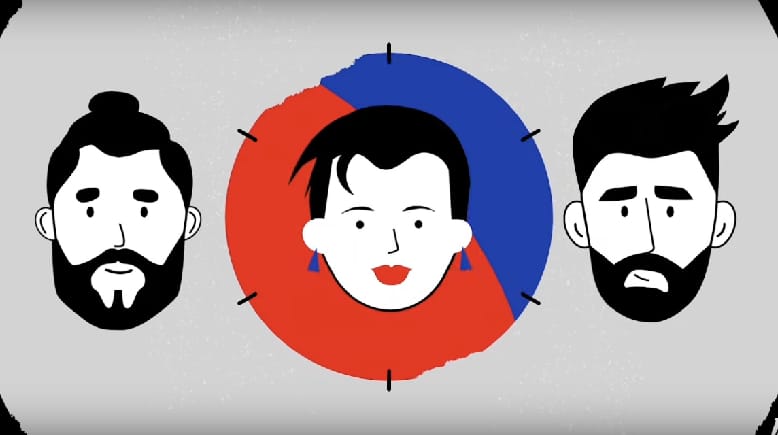
Write down what the audience already knows, what they are trying to solve, and what could stop them from moving forward. Sales calls, support tickets, search queries, CRM notes, reviews, and customer interviews are useful sources.
This step matters because a video content marketing strategy should answer real questions. Topic selection becomes much easier when the team can point to repeated customer language instead of guessing what people might care about.
3. Review Competitor Video Content
Look at competitor websites, YouTube channels, social accounts, product pages, and help centers. Note which subjects they explain, which formats they use, how long the videos are, and where the content appears in the funnel.
The goal is to find gaps. If every competitor has a product overview but none explains implementation, pricing logic, onboarding, or a common objection, those missing topics may be useful opportunities.
Our guide to video marketing trends can also help separate durable format changes from short lived creative trends.
4. Map Video to the Buyer Journey
A funnel based video strategy is easy to manage because every asset has a stage and a job.
| Stage | Main question | Useful video types | Primary metric |
|---|---|---|---|
| Awareness | What is this problem or category? | Educational videos, social videos, short explainers | Reach, qualified traffic, watch time |
| Consideration | How does this solution work? | Explainers, product videos, webinars, comparisons | Engagement, product page actions, demo interest |
| Decision | Why should I choose this option? | Testimonials, demos, case studies, FAQ videos | Demo requests, trials, opportunities, conversion |
| Customer | How do I get value from the product? | Tutorials, onboarding, training, feature education | Activation, adoption, support savings, retention |

5. Choose the Right Video Marketing Strategies
Most businesses use more than one of the approaches below. The right mix depends on the funnel gaps you found earlier.
Funnel Focused Strategy
Create content for awareness, consideration, and decision as a connected sequence. An educational video can introduce the problem, an explainer can show the solution, and a testimonial can address risk at the decision stage.
Social Video Strategy
Build content around the platform and the behavior you expect there. A YouTube tutorial can answer a search query in depth. A shorter social clip can isolate one tip or visual idea from the same subject.
A video distribution strategy should decide this before production because aspect ratio, opening pace, captions, length, and call to action may change by channel.
Customer Trust Strategy
Use customer stories, testimonials, demos, and case studies to answer the questions buyers ask near a decision. These videos work best when the speaker or example addresses a specific concern instead of giving general praise.
Tutorial Strategy
Tutorials answer practical questions about a product, process, or tool. They are useful before purchase when prospects need to understand complexity and after purchase when customers need help getting value.
For internal or customer education at scale, our comparison of training video production companies covers teams that specialize in this kind of content.
Educational Strategy
Educational videos can build search visibility around questions that appear before someone is ready to buy. The topic should have a clear relationship with the problems your company solves, even when the video is not about the product itself.
Explainer Strategy
Explainer videos are useful when the audience needs a mental model before it can evaluate the product. They work particularly well for SaaS, fintech, healthcare, technical services, and other categories where the value is difficult to see immediately.
Our explainer video production service covers the script, storyboard, design, animation, and sound process. For creative references, see these explainer video examples.
6. Build a Shared Concept Across the Video Library
A video series becomes easier to recognize when the pieces share visual rules. That can include illustration style, typography, character design, sound, motion language, or recurring interface treatments.
The goal is consistency, not repetition. A social clip and a product explainer can use different pacing while still feeling like they belong to the same company.
7. Decide How Many Videos You Actually Need
There is no useful universal number. Start with the missing communication jobs.
A company with strong awareness but weak sales enablement may need a demo, testimonial, and case study before it needs more social content. A new category may need several educational pieces before a detailed product video will make sense.

Budget also matters. Estimate production cost, distribution cost, and the expected life of each asset. Evergreen explainers and tutorials can often support several channels over time, while campaign content may have a shorter useful window.
8. Set Deadlines and Review Owners
Video schedules often slow down during feedback, not production. Assign the people who can approve the script, visual direction, storyboard, and final cut before work begins.
For complex B2B projects, product, legal, compliance, brand, and sales may all need input. Decide where each group enters the process so one late review does not force the team to rebuild finished work.
9. Choose the Production Model
Some teams produce video internally. Others use freelancers or agencies. The best choice depends on volume, style, complexity, and the skills already available inside the company.
An internal team can be efficient for frequent simple content. A specialized production partner is useful when the project needs scripting, custom animation, multiple visual disciplines, or a formal review process.
10 Video Types to Include in a Video Content Strategy
1. Explainer Videos
Use explainers when the audience needs to understand the problem, the solution, and the value proposition quickly.

2. Educational Videos
Use educational content to answer questions around the category and build an audience before the buying decision.
3. How To and Tutorial Videos
Use tutorials to teach a process, product workflow, or task. They can support search, sales, onboarding, and customer success.

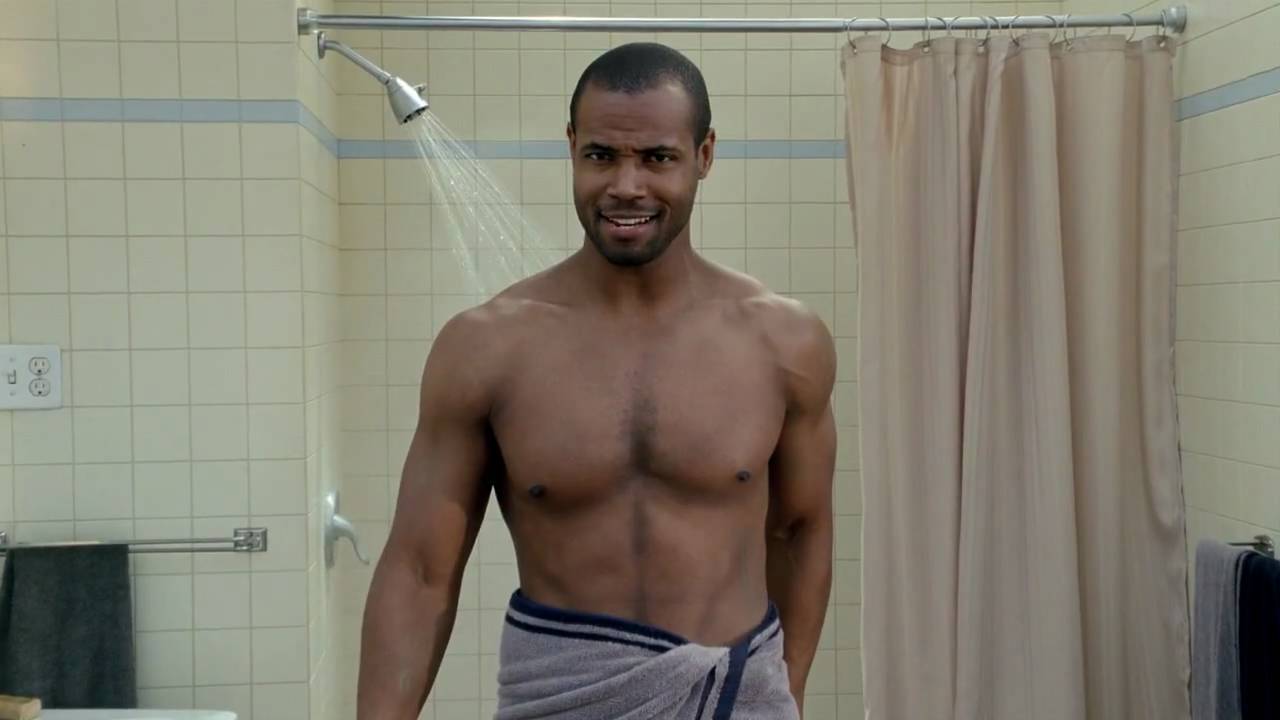
4. Commercials
Commercials promote the brand, product, or offer directly. They are usually built for reach and campaign performance, with less room for detailed education.

5. Customer Testimonial Videos
Testimonials help prospects evaluate risk by hearing how another customer describes the problem, experience, and result.

6. Product Videos
Product videos show what a product does, how it looks, or how a key feature works. They are useful on product pages, sales decks, paid campaigns, and launch content.
Our guide to product video examples shows different approaches to physical products and software.
7. Company Story Videos
Company story videos explain where the business came from, what it believes, and the people behind the work. They are useful when trust in the organization matters as much as the product itself.

8. FAQ Videos
FAQ videos answer a recurring question in a format sales, support, and marketing teams can reuse. Keep each video focused on one question when the answer is detailed.
9. Social Media Videos
Social videos need to earn attention quickly and make sense in the context of the platform. Use captions where sound may be off and keep the first seconds focused on the subject.

10. Behind the Scenes Videos
Behind the scenes content can show people, process, manufacturing, events, or company culture. It is useful when the audience wants context about how the business works.

Video Production: From Idea to Final Asset
A practical production process moves through a series of approval points so expensive work is not started before the message is settled.
- Idea: define the audience, goal, and central message.
- Creative brief: document the problem, audience, tone, channel, and call to action.
- Art direction: choose the visual approach.
- Script: decide what is said and in what order.
- Storyboard: map the visual action scene by scene.
- Animatic or rough edit: check timing before final production.
- Design: create the approved visual assets.
- Voiceover: record narration where needed.
- Animation or filming: produce the final visuals.
- Sound: add music, effects, mix, and final polish.
If you want the detailed version, our video production process guide explains the stages and review structure.

How Much Does Video Marketing Cost?
Budget depends on format, runtime, visual complexity, filming requirements, revisions, deadline, and the number of assets in the campaign.
For animation, our 2026 pricing study contacted 125 animation companies and collected 61 usable quotes. The median quote was $9,680 per minute. That is a market reference, not a fixed price for every project.
The full animation cost study explains the methodology and pricing ranges. For explainers specifically, our explainer video cost guide covers the production variables in more detail.
SEO Video Marketing: Use Search Demand to Shape the Strategy
SEO can help a video marketing strategy produce value long after a campaign ends. Search data reveals the questions people already ask, which makes it useful for topic selection as well as optimization.
Research the Main Query
Choose a clear search intent for the video and the page that contains it. The topic should match what the viewer expects to learn.
Use Long Tail Keywords for Specific Questions
Long tail queries can reveal the exact problem behind a broader keyword. A broad term such as video marketing strategy may lead to more specific questions about video distribution, content planning, ROI, SEO, or production.
Use those terms in the title, description, page copy, headings, transcript, and supporting content when they genuinely describe the subject. Do not force every variation into the same sentence.
Write a Clear Video Title
The title should tell the viewer what the video answers. Specific titles usually make it easier for both search engines and people to understand the content.
Design a Thumbnail Around One Idea
A thumbnail is easier to scan when it has one visual subject and minimal text. It should support the title instead of repeating a full sentence from it.

Build a Video Distribution Strategy Before Publishing
Production and distribution should be planned together. The team needs to know whether the primary audience will discover the video through search, a sales email, paid media, social, an event, or a product page.
Owned Media
Use your website, blog, landing pages, email, help center, product pages, and sales materials. Owned channels give you the most control over placement and measurement.
Paid Media
Paid distribution can put a video in front of a defined audience quickly. Match the creative to the campaign objective and track the action after the view.
Earned Media
Partners, industry publications, customers, creators, and communities may distribute useful content when it helps their own audience. Educational and research based videos often have more natural earned distribution potential than direct product promotion.
How to Measure Video Marketing Strategy Performance
The right metric depends on the job of the video. Views alone cannot tell you whether an explainer improved product understanding or whether a tutorial reduced support work.
| Goal | Useful metrics |
|---|---|
| Awareness | Qualified reach, watch time, branded search, site visits |
| Engagement | Completion, retention, clicks, page behavior |
| Lead generation | Forms, demo requests, trials, qualified pipeline |
| Sales support | Opportunity movement, close rate, sales cycle length |
| Customer education | Activation, feature adoption, support tickets, completion |
For financial measurement, our guide to video marketing ROI explains how to connect monetary gain, cost, and attribution without giving the video credit for outcomes it cannot prove.

Video Marketing Strategy FAQ
What is a video marketing strategy?
It is a plan that defines the audience, goal, content type, distribution channel, production approach, and success metric for the videos a business creates.
What is a video content strategy?
A video content strategy focuses on which topics and formats a company will produce, how those pieces relate to audience needs, and how the library works together over time.
What is a video content marketing strategy?
A video content marketing strategy uses video as part of a broader content program to attract, educate, and move audiences through the buyer or customer journey.
What is a video distribution strategy?
A video distribution strategy defines where each asset will be published and promoted, including owned, paid, social, search, partner, and sales channels.
How can I integrate long tail keywords with my video marketing strategy?
Use long tail queries to identify specific audience questions. Build videos around the strongest questions, then use the relevant phrase naturally in the title, page copy, transcript, description, and supporting article.
How many videos does a marketing strategy need?
There is no fixed number. Count the communication jobs first. If the company needs awareness content, a product explanation, sales proof, onboarding, and support education, those needs should determine the library.
How often should a video marketing strategy be updated?
Review it when the product, audience, sales process, search demand, distribution channels, or performance data changes. Evergreen videos can stay useful for years, while campaign and product content may need more frequent updates.
A Simple Video Strategy Check
Before approving a new video, answer five questions:
- Who is this for?
- What question or problem does it address?
- What should the viewer do or understand after watching?
- Where will the video be distributed?
- Which metric will tell us whether it did its job?
If those answers are clear, the production team can make much better decisions about script, format, runtime, visuals, and call to action.



Victor Blasco
Co-founder of Yum Yum Videos | Explainer Video & Video Marketing Expert
Victor Blasco has over 25 years of experience in animation and film production. For the past 14+ years, he has worked with companies to create explainer and marketing videos that simplify complex ideas and drive business results.
His work has supported global brands like Amazon and McKesson, as well as startups that raised over $2B and reached unicorn or IPO stages.
Victor shares insights based on real client work. His contributions have been published on platforms like Social Media Examiner, and he has been featured or quoted in outlets such as Forbes.