Best Startup Explainer Videos That Help Raise Funds

Co-founder of Yum Yum Videos | Explainer Video & Video Marketing Expert
Most startups begin with a sentence the founder can explain in a room. Then the product grows. New features appear, the audience widens, the pitch deck gets longer, and the explanation that once took 20 seconds starts taking five minutes.
That is where startup explainer videos become useful. A good startup video gives the audience one clear path through the idea: the problem, the product, and the change it creates for the person using it. The same piece can support a launch, a sales conversation, a landing page, or an investor meeting when the message is built around the right audience.
The eight startup video examples below come from projects we worked on at Yum Yum Videos, an animated explainer video agency. I have spent more than 14 years producing explainer and marketing videos, and the examples I find most useful are the ones where you can see the communication problem before you look at the business milestone.
That distinction matters here. Funding rounds, valuations, acquisitions, contracts, and revenue growth belong to the companies. The videos were communication assets used during those periods. Where we have a direct video result, such as views or a documented client comment, I label it separately.
For software-focused startups, you can also explore our Tech & SaaS explainer videos.
TL;DR
- Startup explainer videos work best when a new product, business model, or technical workflow needs context before the audience can evaluate it.
- A startup launch video puts more emphasis on what is new, why the launch matters now, and what the viewer should do next.
- A startup demo video spends more time inside the product and is usually a better fit when the interface itself is the proof.
- The strongest examples below use one communication job per video, then adapt the visual style to that job.
What Is a Startup Explainer Video?
A startup explainer video is a short video that explains what a startup does, who the product is for, the problem it addresses, and why the solution is worth understanding.
Animation is common because many startups sell software, platforms, data systems, medical workflows, financial products, or technical processes that are difficult to film. Live action, product screens, 3D, and whiteboard animation can work just as well when they match the message.
For an early stage company, the video often has to do more than introduce a product. It may appear in a pitch deck, on a fundraising page, at a demo day, on the homepage, or inside a sales presentation. That is why the first production decision should be the audience and the job of the video, not the animation style.
Startup Explainer Video vs Startup Launch Video vs Startup Demo Video
These searches overlap, but the videos usually answer different questions.
| Video type | Main question | Best use |
|---|---|---|
| Startup explainer video | What is this and why should I care? | Homepage, pitch deck, sales, category education |
| Startup launch video | What is launching and why does it matter now? | Product launch, PR, social, launch campaign |
| Startup demo video | How does the product actually work? | Product pages, sales calls, onboarding, evaluation |
| Fundraising video | What opportunity is the company building around? | Investor outreach, crowdfunding, fundraising pages |
A startup may need more than one format as it grows. If the product itself needs detailed screen level explanation, our guide to product demo video examples shows how companies handle walkthroughs, interfaces, and product focused animation.
What the Best Startup Launch Videos Do Differently
The best startup launch videos have a narrower job than a general company explainer. They introduce something that is available now, give the audience a reason to care about the release, and point toward one next action.
That usually means spending less time on company history and more time on what changed. A new feature can be shown inside a real use case. A new product can start with the problem it was built to solve. A new category may need a little more context before the launch itself makes sense.
For startup demo video production, the balance shifts again. The interface, workflow, or product behavior becomes more important because the viewer is already closer to evaluation. Many startups eventually use an explainer for the broad story, a launch video for new releases, and demos for prospects who want product detail.
8 Best Startup Explainer Videos and Startup Video Examples
| Company | What the video had to explain | Style | Business context |
|---|---|---|---|
| Accelerant | Data driven insurance platform for several audiences | 2D animation | 9 videos during a path that later included a $6.4B IPO valuation |
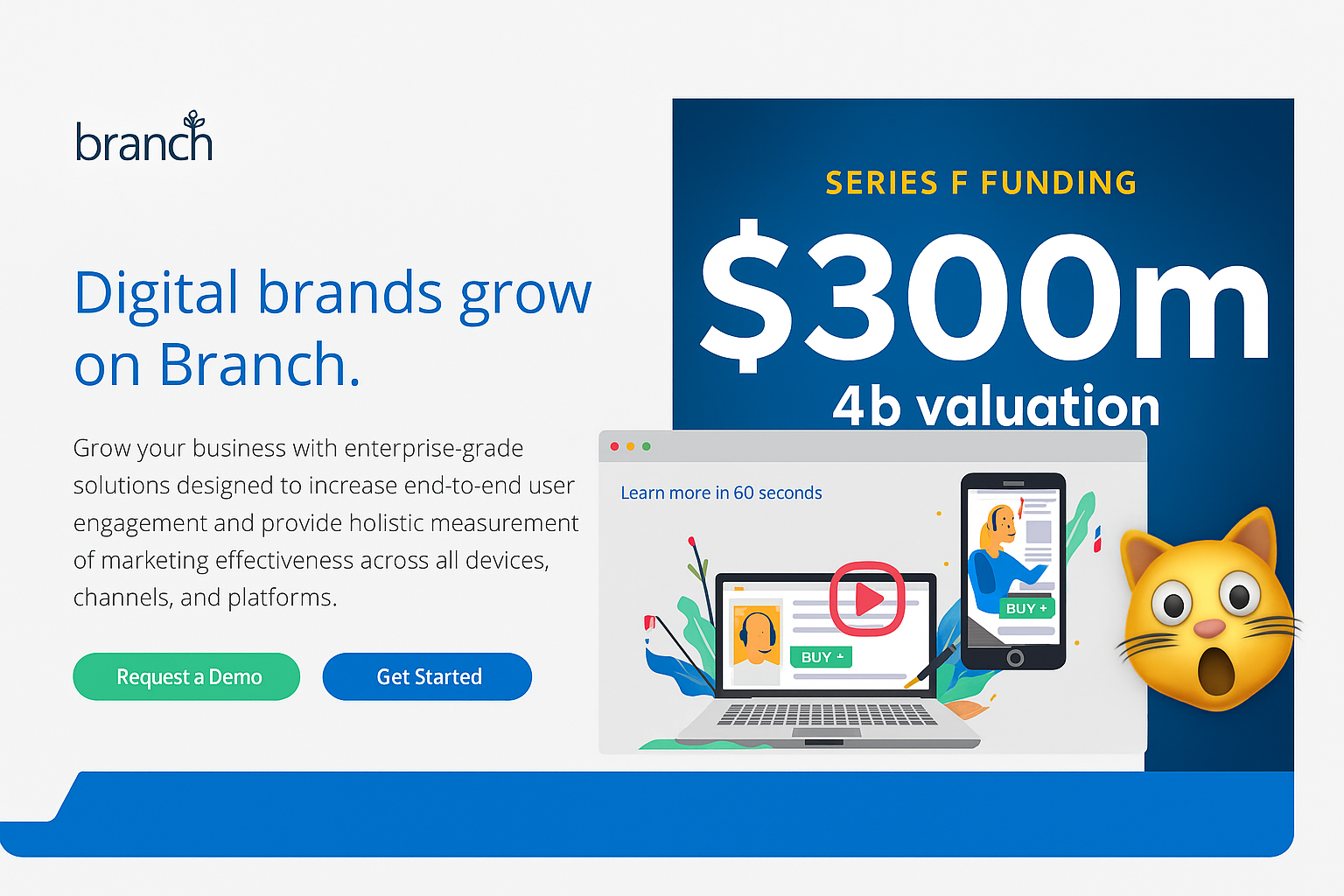
| Branch | Mobile attribution and deep linking | 2D animation | $300M Series F at a $4B valuation |
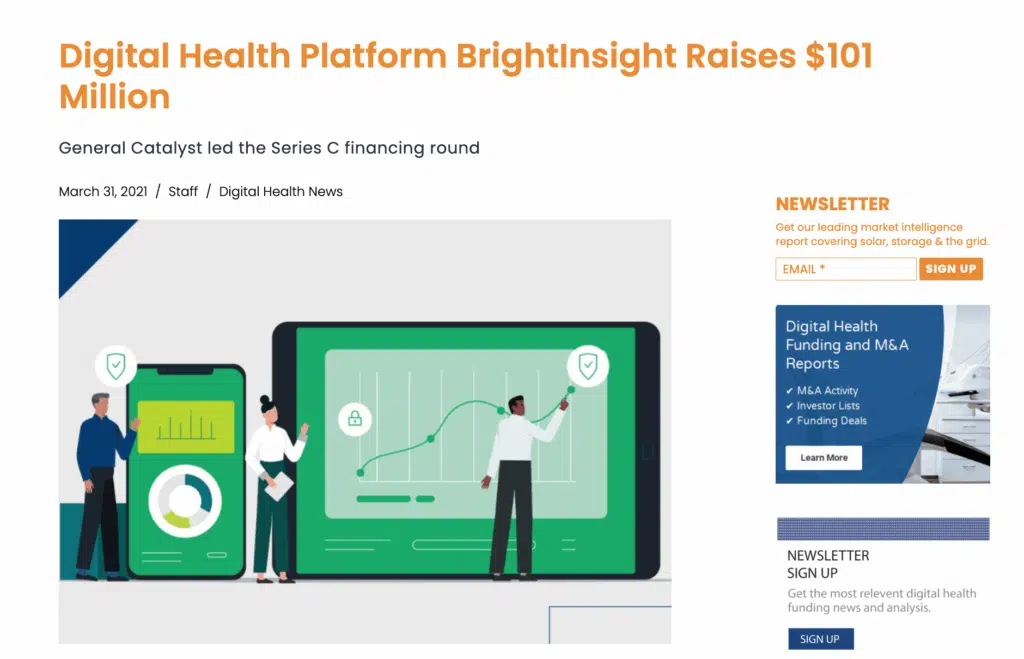
| BrightInsight | Regulated digital health platform | Motion graphics | $101M Series C and 431% revenue growth over the reported period |
| Chargebee | Subscription billing and revenue operations | 2D animation | 3 videos during its path to a $1.4B valuation and later $3.5B |
| BetterUp | Enterprise coaching for users and business leaders | Mixed media | $300M Series E at a $4.7B valuation |
| Sintavia | Additive manufacturing for aerospace and defense | 3D animation | $106.7M U.S. Department of Defense contract |
| MedVector | Telemedicine based clinical trial workflow | Whiteboard animation | $3.5M raised while video anchored a focused landing strategy |
| Spigit | Enterprise innovation algorithms and crowd science | Whiteboard animation | 120% Q2 sales growth in 2016 and later acquisition by Planview |
You can browse more explainer video case studies from SaaS, healthcare, finance, and other industries.
Best Startup Explainer Videos That Help Raise Funds
1. Accelerant: Build a Video System as the Startup Grows
Accelerant was never a one video communication problem. The company operates a data driven insurance platform with audiences that include members, partners, clients, and investors. A general introduction could explain the model, but it could not answer every question those groups had as the company expanded.
Between 2021 and 2024, we produced nine explainer videos for Accelerant. Some introduced the company. Others focused on investors, new members, or specific industry problems. The visual language stayed consistent while the message changed with the audience.
That is the part I would borrow for a growing startup. A launch video does not need to carry every future message. Build one clear piece for the current job, then extend the system as the company adds products and audiences.
During the collaboration period, Accelerant raised $190 million in 2022 and $150 million in 2023. In 2025, it went public on the NYSE, raising $724 million at a $6.4 billion valuation. Those milestones are Accelerant’s. Our work was the communication layer around an increasingly complex platform. The full Accelerant case study covers the nine videos and their audiences.
2. Branch: Explain the Market Idea Before the Technical Detail

Branch works with mobile attribution and deep linking, two subjects that can lose a nontechnical viewer very quickly if the explanation starts with terminology.
We built the video around Branch’s larger idea of an open mobile ecosystem first. Once the viewer understood the market problem, concepts such as links, attribution, and cross channel journeys had somewhere to fit.
Branch raised a $300 million Series F at a $4 billion valuation in 2022. The funding belongs to Branch. The explainer was a core product and positioning asset during the same stage of growth. You can see the communication problem in more detail in the Branch case study.
For a technical founder, this is a useful script test. If the first 20 seconds require the audience to learn four new terms, the video probably needs a clearer starting point.
3. BrightInsight: Keep Technical Credibility Without Turning the Video Into Documentation
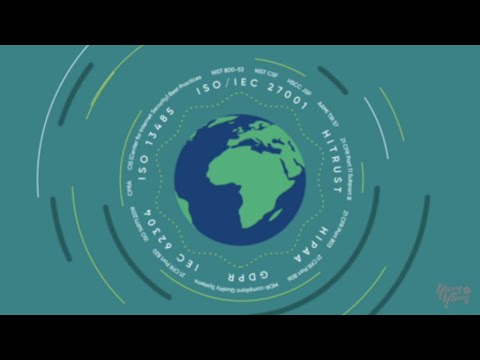
BrightInsight operates in regulated digital health. Its audience may include pharmaceutical teams, clinicians, partners, and investors, so simplifying the product too aggressively would create a different problem: the explanation could lose the precision the category expects.
We produced two motion graphics explainers around the platform and its disease management solution. Interface metaphors, restrained layouts, and controlled pacing helped make the system easier to follow while the language remained appropriate for a professional healthcare audience.
BrightInsight raised a $101 million Series C. The company also reported 431% revenue growth from 2019 to 2022 in connection with its Deloitte Technology Fast 500 recognition. Our BrightInsight case study documents the video work and the company timeline.
For healthtech and biotech startups, clarity does not mean removing all technical information. It means deciding which information the audience already understands and which parts need visual support.
4. Chargebee: Make an Invisible SaaS Problem Visible
Subscription billing gets complicated behind the interface. Revenue recognition, taxes, recurring payments, failed payments, and billing logic are real problems, but they are difficult to picture.
We produced three animated startup videos for Chargebee. One creative idea was to make familiar expressions such as billing leaks and tangled logic literal on screen. Instead of explaining every process abstractly, the animation gave the audience a physical problem to recognize.
One of the core explainer videos passed 265,000 views on YouTube. That is a direct video result.
Chargebee raised $55 million in 2020 and $125 million in 2021, reaching a $1.4 billion valuation. In 2022, it raised another $250 million at a $3.5 billion valuation. The Chargebee case study keeps that company timeline separate from the video performance.
This is one of the reasons animation works well for software startups. An invisible workflow can become an object, a place, or a sequence the viewer understands in a few seconds.
5. BetterUp: Different Audiences Can Need Different Startup Videos
.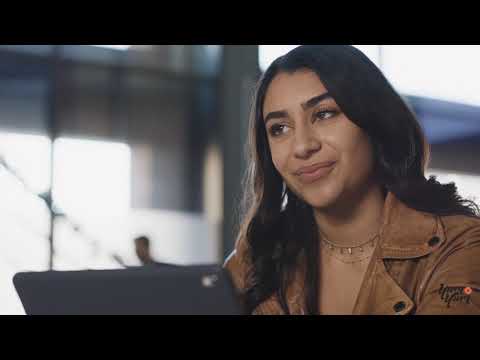
BetterUp had a common enterprise startup problem. The person using the platform and the executive buying it did not need the same explanation.
We produced two videos with different goals. One introduced the coaching platform to a broad user audience. The other focused more closely on sales performance and enterprise leaders. The subject was related, but the reason for watching changed the script and the level of detail.
During the broader growth period, BetterUp raised a $300 million Series E at a $4.7 billion valuation and reported more than $100 million in ARR. The BetterUp case study explains how the two pieces supported different communication needs.
If a startup video tries to satisfy users, investors, buyers, partners, and employees in the same 90 seconds, the script often becomes a list. Splitting the audience can make the message much easier to write.
6. Sintavia: A Startup Video Can Be Technical Without Becoming a Lecture
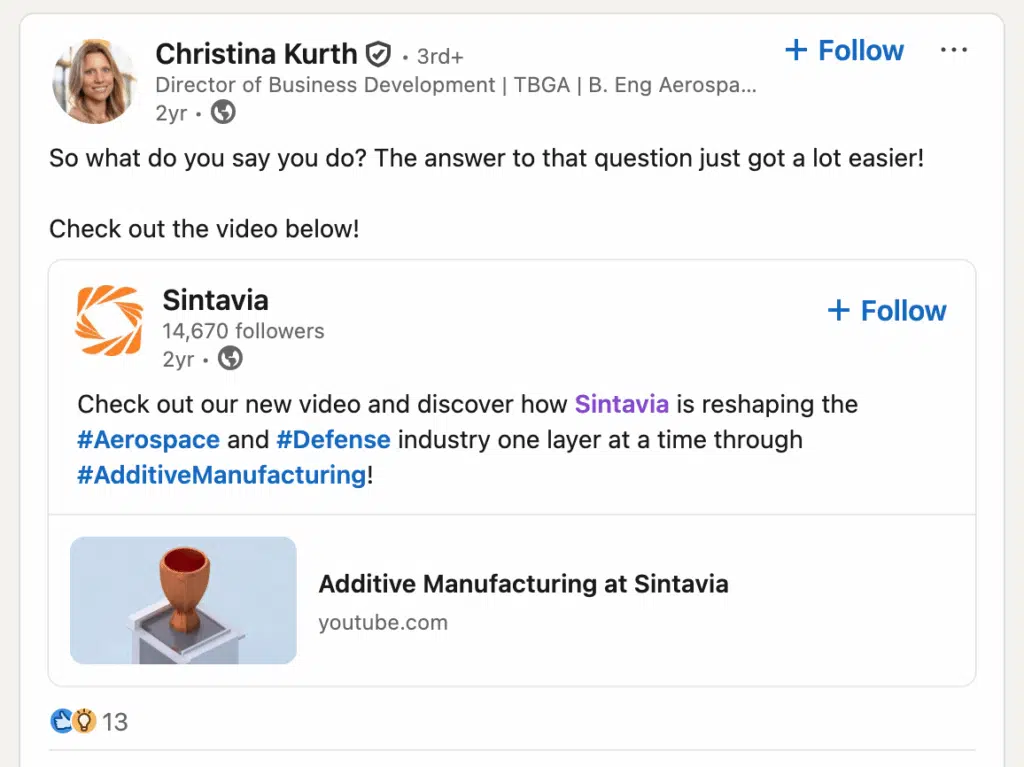
Sintavia works in advanced additive manufacturing for aerospace and defense. The challenge was visual: the process is highly technical, and much of what matters happens inside manufacturing systems that are difficult to explain with ordinary footage.
We created a 3D technical explainer that showed the additive manufacturing process with the level of precision the audience expected. The video later appeared in industry coverage and company presentations.
In 2024, Sintavia received a $106.7 million U.S. Department of Defense contract for work related to hypersonic propulsion components. That contract is Sintavia’s business result. The video helped make the company’s capabilities easier to communicate to technical, industry, and government audiences. The Sintavia case study has the project details.
For a deep tech startup, the lesson is simple: explain enough for the audience to understand the system, then let the visuals carry the parts that would take too long to describe verbally.
7. MedVector: Use a Whiteboard Explainer Video When the Workflow Needs a Clear Path
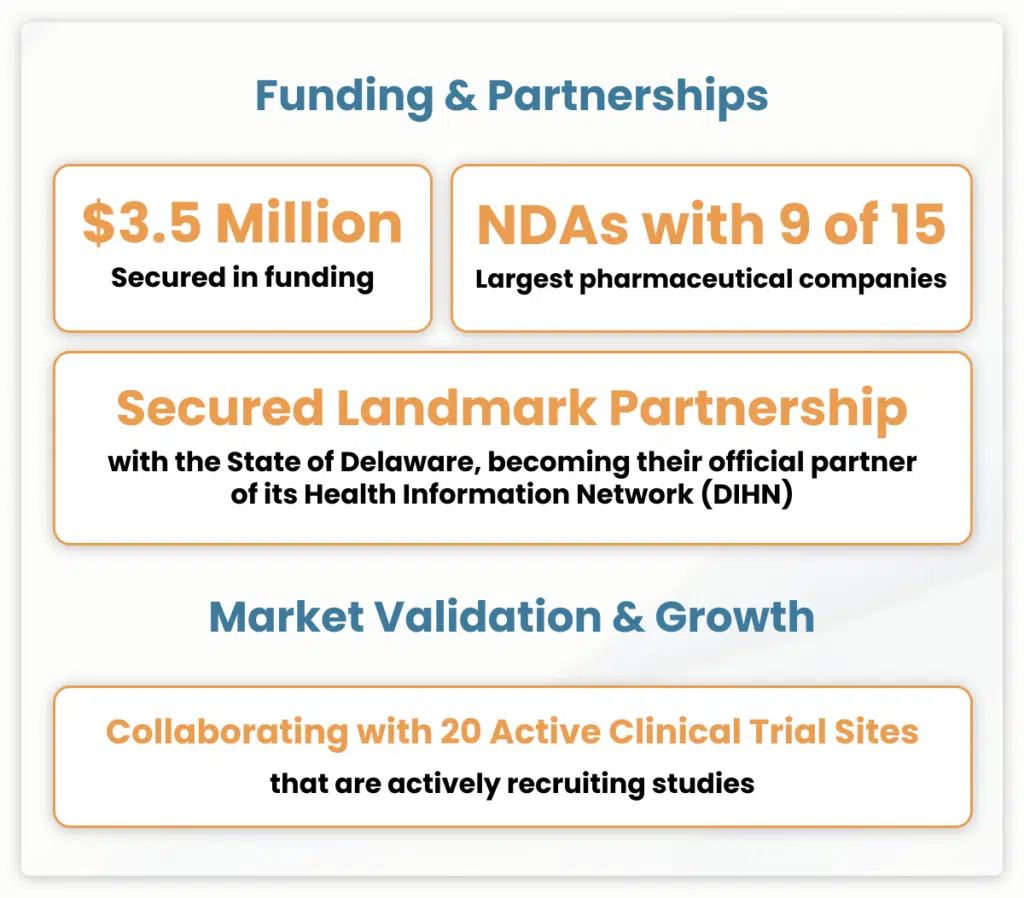
MedVector had to explain a telemedicine based clinical trial model to investors, physicians, investigators, and institutional partners. The subject included regulation, patient recruitment, remote visits, and research workflows. A dense product pitch would have made the model harder to follow.
Between 2018 and 2021, we produced three whiteboard animation videos for MedVector. The format gave the script a simple visual path from the clinical trial problem to the way the platform connects local physicians with study investigators.
This is a good use case for a whiteboard explainer video. The drawing style keeps attention on sequence and explanation, which can be useful when a startup needs to introduce an unfamiliar workflow before showing product details.
During the same period, MedVector secured $3.5 million in funding while using a focused landing page with video as a primary communication asset. The funding belongs to MedVector. The MedVector case study documents the three videos, the landing strategy, and the company milestone.
8. Spigit: Whiteboard Animation for an Abstract Enterprise Product
Spigit had a different kind of startup video problem. Its innovation management platform used crowd science and algorithms to help large companies evaluate ideas. The value was easy to describe in broad terms and much harder to explain once the conversation reached how the system actually worked.
We produced two whiteboard videos, Pairwise and Predictions, and used a recurring Professor Spigit character to guide the viewer through the logic. Humor gave the explanation some personality, but the main job was structural: turn an abstract scoring process into a sequence that enterprise audiences could follow.
Spigit reported 120% Q2 sales growth in 2016 and expanded its Fortune 500 client base during that period. Planview later acquired the company in 2018. Those are company milestones. The videos were built for sales conversations, executive presentations, and targeted campaigns. The full Spigit case study covers the project and timeline.
Spigit is also a reminder that a whiteboard style does not have to feel generic. A recurring character, specific visual metaphors, and a clear brand voice can give a simple format its own identity.
How to Measure the Results of Startup Videos
A startup video can sit next to a major funding or growth milestone without being the cause of that milestone. I would track the two sets of numbers separately.
Direct video metrics include views, watch time, completion rate, clicks, demo requests, conversions, and performance on the page where the video appears. Those numbers tell you how the asset itself is performing.
Company metrics include funding, revenue, valuation, contracts, user growth, and acquisitions. They give useful business context, especially in a case study, but they describe the company rather than the video.
Our guide to explainer video ROI goes deeper into attribution and the metrics worth tracking when a video is used across marketing, sales, or fundraising.
What the Best Startup Videos Have in Common
After more than 1,000 video projects, I would start with four decisions before thinking about animation style.
Give the Video One Main Job
A startup launch video, an investor explainer, and a product demo can overlap, but each has a different center of gravity. Choose the primary job first. If the video has to introduce the category, explain every feature, prove traction, tell the founder story, and close an investor at the same time, the script will probably feel crowded.
Start From What the Audience Already Knows
MedVector needed more context because the clinical trial model was unfamiliar. Airtm, in another project, could start much closer to the problem because its audience already understood currency instability. The opening should reflect that difference.
Use the Product Only When the Story Needs It
Some startup explainer videos need characters and metaphors before the product appears. A startup demo video may need the interface within the first few seconds because ease of use is the main evidence.
If the interface is central to the sale, product demo video production may be a better fit than a fully abstract explainer.
Write the Script Before Designing the Style
A beautiful storyboard cannot fix a message that does not know what it wants the audience to understand. We normally solve the problem, audience, sequence, and call to action in the explainer video script before the visual production gets deep.
How Much Does Startup Video Production Cost?
The cost of startup video production depends on length, animation style, complexity, revisions, and deadline.
In our 2026 animation pricing research, we contacted 125 animation companies and collected 61 usable quotes. The median quote was $9,680 per minute.
That is a market reference, not a fixed startup rate. A short startup launch video using motion graphics can require less production work than a character based explainer with several scenes, while 3D or a compressed deadline can increase the budget.
The full animation cost study explains the methodology and pricing ranges. When comparing proposals, also check what is included for script, storyboard, illustration, revisions, voiceover, sound, and product changes.
Where Should You Use Startup Videos?
The right placement depends on what the video was written to do.
- Homepage: explain the startup quickly to someone arriving with little context.
- Product page: connect the use case with product detail.
- Pitch deck or investor page: give the business model and product a common narrative before deeper financial information.
- Launch campaign: use a startup launch video to introduce what is new and point the audience toward a clear next action.
- Sales presentation: give the team a consistent explanation of the problem and product.
- Demo day or event: establish the idea quickly before a founder or sales lead goes deeper.
A single video can appear in several places, but the script should still be written around one primary viewing situation.
Startup Explainer Video FAQ
How long should a startup explainer video be?
Many startup explainer videos work well between 60 and 120 seconds. A simple launch or feature introduction may be shorter. A new category, regulated workflow, or technical business model may need more time.
What is the difference between a startup launch video and a startup explainer video?
A startup launch video focuses on the release: what is new, why it matters now, and what the audience should do next. A startup explainer video spends more time establishing the problem, product, audience, and value proposition.
When should a startup use a demo video?
Use a startup demo video when the interface, workflow, or ease of use is central to the buying decision. A demo is especially useful once the viewer already understands the category and wants to evaluate how the product works.
Can a startup explainer video help with fundraising?
It can help investors understand the product, market problem, workflow, or business model more quickly. Funding still depends on the company, traction, team, market, economics, and investor demand.
The examples in this article show videos used during fundraising and growth periods. They do not prove that the videos caused the funding rounds or valuations.
What should an explainer video for startups include?
Start with the audience problem, explain the product at the level the viewer needs, show the change the solution creates, and end with one clear next step. Product details should support that sequence instead of becoming a feature inventory.
Before You Produce a Startup Video
Write four answers on one page before discussing style:
- Who needs to understand the startup?
- What part of the idea takes too long to explain today?
- What should the viewer understand by the end?
- Where will the video be watched first?
If those answers are clear, you can usually decide whether you need a startup explainer video, a startup launch video, or a product demo before spending money on production.

Victor Blasco
Co-founder of Yum Yum Videos | Explainer Video & Video Marketing Expert
Victor Blasco has over 25 years of experience in animation and film production. For the past 14+ years, he has worked with companies to create explainer and marketing videos that simplify complex ideas and drive business results.
His work has supported global brands like Amazon and McKesson, as well as startups that raised over $2B and reached unicorn or IPO stages.
Victor shares insights based on real client work. His contributions have been published on platforms like Social Media Examiner, and he has been featured or quoted in outlets such as Forbes.