Top 20 Training Video Production Companies in 2026

Co-founder of Yum Yum Videos | Explainer Video & Video Marketing Expert
Training videos are useful when someone needs to perform a task, follow a process, understand a policy, or use a product correctly after watching. That makes them a little different from many other business videos: you can usually tell whether the explanation worked by seeing what the learner can do afterward.
When comparing training video production companies, I look beyond production quality. The script has to turn subject matter expertise into something teachable, reviewers need a sensible way to approve technical or policy details, and the finished video has to work wherever employees or customers will actually use it.
This comparison covers 20 companies working across corporate training, onboarding, product education, compliance, software instruction, and internal communication. Some specialize in animation, others in live production, and several can combine both depending on what the learner needs to see.
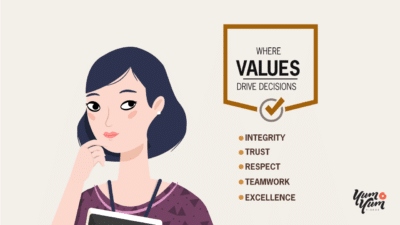
Yum Yum Videos has produced custom video since 2012, including corporate training and internal communication. The Brown Forman frames in this article come from one of our training projects. For our own work, we define the learning objective and audience early because those decisions affect the script, visuals, review process, and usually the runtime as well.

Still frame from a Brown Forman training video produced by Yum Yum Videos.
20 Training Video Production Companies at a Glance
| Company | Best fit | Main format |
|---|---|---|
| Yum Yum Videos | Corporate training, onboarding, process education | Animation and mixed media |
| Skeleton Productions | Internal communication and corporate training | Live action and animation |
| Epipheo | Video courses and structured education | Animation |
| Clum Creative | Sales, service, operations, and production training | Live action and animation |
| Demo Duck | Healthcare, education, and internal content | Animation and live action |
| Explainify | Complex business concepts and internal education | Animation |
| Switch Video | Animated corporate education | Animation |
| Thinkmojo | Product and employee education | Live action and animation |
| Wyzowl | Animated employee and customer training | Animation |
| Sandwich Video | Culture, onboarding, and story based training | Live action |
| Black Tent Media | Process and operational training | Live action |
| Signal | Corporate and internal communication | Live action and animation |
| Storyfarm | Employee and organization training | Live action |
| Key West Video | Corporate and employee training | Live action |
| Viral Ideas | Smaller teams and first video projects | Live action |
| Sparkhouse | Product, company, and training content | Live action and animation |
| 5:00 Films and Media | Nonprofit and mission based education | Live action |
| The DVI Group | Interactive and custom corporate learning | Live action and interactive video |
| Indigo Productions | Corporate training and company communication | Live action |
| VeracityColab | Business education and branded training | Animation and live action |
How I Evaluated These Training Video Companies
I start with what happens before production. A useful training project should have a clear learning objective, a script process that gives subject matter experts room to correct mistakes, and approval stages that catch problems before filming or animation becomes expensive.
The format matters too. Software, internal systems, data, and processes that happen behind the scenes are often easier to teach with animation or screen based visuals. Equipment, workplace behavior, interviews, and demonstrations usually benefit from real footage. Some programs need both.
I also look at delivery. A beautiful training video is less useful if it arrives in the wrong format for the LMS, intranet, help center, onboarding flow, or sales portal where people are supposed to use it. Those practical details are part of the production decision, especially when a company is building more than one module.
20 Best Training Video Production Companies
1. Yum Yum Videos
Yum Yum Videos focuses on custom animated training, onboarding, internal communication, process education, and explainer content. We usually begin by defining what the learner needs to understand or do and who will review the material internally.
Animation is particularly useful when the process is difficult to film or when the same training has to work across offices, teams, or languages. It also gives companies more flexibility when part of a larger training library needs to be updated later. Depending on the subject, we can combine interface animation, motion graphics, characters, voiceover, and real footage rather than forcing every lesson into the same visual format.
For training and internal communication projects, our Corporate & HR video production work can cover the process from the learning objective and script through storyboard, design, animation, sound, and delivery. Beyond training, our work as an explainer video company includes business, educational, and internal communication projects. One example is BetterUp, where we created two animated videos to explain its coaching platform to enterprise audiences. You can see more of the project in our BetterUp case study.
2. Skeleton Productions
.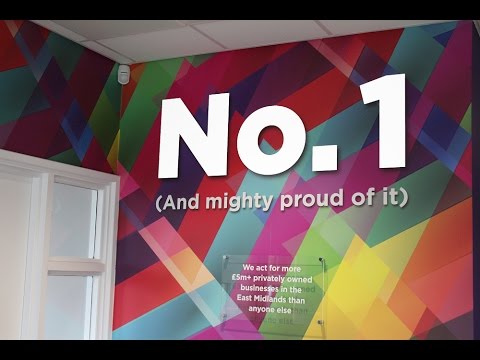
Skeleton Productions covers corporate video, internal communication, training, promotional content, and animation. That range is worth considering when employee education is part of a larger internal communication program rather than an isolated training project.
Its live production capabilities are especially relevant when the lesson needs interviews, workplace scenes, demonstrations, or employees on camera. A company developing training alongside leadership updates, culture material, or other corporate content can keep those projects with the same production partner.
3. Epipheo
Epipheo has a long background in animated explanation and currently offers video courses for employee training, leadership development, culture, change management, and other structured learning programs.
The course format makes sense when the subject has several distinct parts. Instead of expecting learners to remember one long presentation, a company can divide the material into shorter lessons and give people a specific section to return to when they need a refresher.
4. Clum Creative
Clum Creative has a dedicated training offering that covers areas such as sales, customer service, operations, production, tutorials, and FAQ content. The company uses live filming, animation, voiceover, and presenter led instruction, which gives it room to change formats inside the same program.
That flexibility matters when the workplace itself is part of the lesson. A manufacturing procedure may need actual equipment on screen, while a software step or policy explanation can be handled with graphics. Keeping both inside the same production plan can make a mixed training program easier to manage.
5. Demo Duck
Demo Duck combines animation and live action across business, healthcare, and educational work. For training, that gives the company several ways to introduce context before moving into a procedure or policy.
Its healthcare experience is also relevant for projects where wording needs careful subject matter review. When a lesson includes technical terminology, medical information, or regulated claims, the review process can matter as much as the visual execution.
6. Explainify
Explainify focuses on animated explanations for complex business information. That makes the studio a natural comparison for internal education, software concepts, process changes, and subjects that are difficult to demonstrate with a camera.
With animation, the team can show relationships between systems, sequence steps visually, or represent information that normally stays hidden inside software. The script and storyboard also give reviewers a chance to check the explanation before final animation begins.
7. Switch Video
Switch Video produces animated content for processes, systems, and internal education. Its format can suit distributed companies that want every office or employee group to receive the same approved explanation on demand.
That consistency becomes more useful as training scales. A manager does not have to recreate the explanation every time a new employee joins, and learners can return to a specific lesson when they need it.
8. Thinkmojo
Thinkmojo works with both animation and live action, particularly around technology and product communication. That mix can translate naturally into training: a software lesson may need interface footage and motion graphics, while an onboarding module may benefit from real employees and workplace scenes.
A single training program can therefore change visual language as the subject changes instead of trying to teach software, culture, and employee behavior in exactly the same way.
9. Wyzowl
.
Wyzowl produces animated employee training, software education, onboarding, compliance, and customer service content. The company also prepares video for learning management systems and other internal platforms.
Its standardized production model may appeal to teams building a larger library of modules and looking for a predictable process across multiple videos.
10. Sandwich Video
Sandwich Video is known for live action and story driven business content. That approach is most relevant to training where people themselves are part of what needs to be taught: leadership communication, workplace behavior, customer conversations, or company culture.
Showing a real interaction can communicate tone, timing, and body language that would be awkward to explain in text. The practical consideration is longevity. If the policy, people, environment, or product changes frequently, updating filmed material may require another shoot.
11. Black Tent Media
Black Tent Media handles projects from planning through editing, with a strong fit for live production. Operational and employee training can benefit from that setup when real locations, equipment, or employees need to appear on screen.
I would pay particular attention to how revisions are handled after filming. HR, legal, compliance, and operations teams can all have input on training content, and a change that is easy to make in a script may be much more expensive after the crew has left the location.
12. Signal
Signal works across corporate communication, animation, and video production. That broader mix is useful when training is part of a larger internal rollout rather than the only piece employees will receive.
For example, a policy change might begin with a leadership announcement, continue with a detailed training module, and then use shorter reminders later. Keeping those pieces visually and editorially connected can make the rollout easier to follow.
13. Storyfarm
.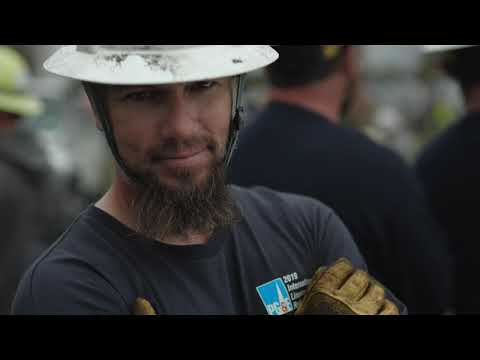
Storyfarm handles scripting, storyboarding, production, and editing across training, corporate, marketing, and social video. For companies that want one partner through the full live production process, that removes some of the handoffs between planning, filming, and postproduction.
It also becomes useful when one training project grows into a series. The team can establish the visual language and production setup once, then carry those decisions across the later modules.
14. Key West Video
Key West Video has a long corporate production background and is particularly relevant for employee training that depends on demonstrations, interviews, presenters, or workplace footage.
Procedural content is a good example. Showing the actual task can remove ambiguity, while labels, close ups, graphics, and voiceover can direct the learner toward details that might otherwise be missed.
15. Viral Ideas
Viral Ideas can be worth comparing for smaller organizations or teams producing training video for the first time. The company emphasizes guidance through production, which can help when the client understands the subject well but has never had to turn that knowledge into a script and shoot plan.
For a first project, I would keep the scope narrow enough to evaluate. Teaching one process to one audience gives you a much clearer test of whether the video worked than trying to explain an entire role in a single module.
16. Sparkhouse
Sparkhouse produces product, company, marketing, and business video, so its training work can draw on a more commercial visual style than a conventional instructional recording.
That may be useful for customer education, sales training, or onboarding where the material still needs to feel connected to the external brand. The challenge is keeping the lesson easy to follow while giving it enough visual personality to hold attention.
17. 5:00 Films and Media
5:00 Films and Media has worked extensively with nonprofits, associations, healthcare organizations, and mission based projects. That background is relevant when the training needs to explain the reason behind a policy or procedure before teaching the action itself.
These organizations may also have audiences with very different levels of prior knowledge. A volunteer, employee, community member, and specialist may all approach the same subject differently, so audience definition becomes an important part of the script.
18. The DVI Group
The DVI Group produces corporate video and interactive training, including projects with branching scenarios and assessments inside the lesson.
Interactive elements can change the production considerably because the team has to think about decisions, alternate paths, scoring, and platform behavior as well as the video itself. If that is part of the brief, it is worth settling the delivery platform before production starts.
19. Indigo Productions
Indigo Productions works across corporate, commercial, and business video with a strong live production background. Employee training that needs interviews, office or facility footage, demonstrations, or presenter led instruction fits naturally into that type of portfolio.
For companies comparing corporate training video production companies, Indigo is most relevant when the physical environment contributes directly to the lesson rather than serving as background.
20. VeracityColab
VeracityColab produces business video, branded content, explainers, and corporate communication. Its training work is most relevant when the lesson also has to follow an established brand identity.
Brand consistency still needs to serve the learning objective. If an employee is supposed to perform a specific action after watching, the visuals should make that action easier to understand rather than compete with it.

Frame from a corporate training video produced for Brown Forman by Yum Yum Videos.
What to Look for in a Corporate Training Video Production Company
Start With What the Learner Needs to Do
Before writing the script, describe the result in plain language. Maybe an employee needs to complete a software workflow, follow a safety procedure, handle a customer request, or understand what changed in a new policy. Once that is clear, it becomes easier to decide which information belongs in the lesson and which details can stay in documentation or supporting material.
Choose the Format Around the Subject
Use animation for systems, software, data, policy, and processes that are difficult to film. Real footage is usually more informative when learners need to see equipment, workplace behavior, demonstrations, interviews, or physical environments. Plenty of employee training video production projects combine both because the subject changes from one part of the lesson to another.
Get the Right People Into the Review Early
Training content often passes through HR, legal, compliance, product, security, or operations. Their feedback is easiest to handle while the project is still a script or storyboard. Once a crew has filmed a scene or an animator has built it, even a small wording change can affect time and budget.
Ask What Happens When the Training Changes
Training libraries can stay in use for years, while software screens, policies, logos, products, and procedures keep changing. Ask whether the original project files are retained, which parts can be updated independently, and how future edits are priced. That conversation matters more for a ten video library than for a single one time lesson.
Know Where People Will Watch It
An LMS, internal portal, help center, onboarding sequence, sales system, and public website can all require different versions of the same training. Captions, chapters, aspect ratio, localization, tracking, and file format are much easier to plan before delivery than after the finished video has been exported.
If your project is closer to step based instruction, our guide to how to videos covers that format in more detail. For broader internal communication ideas, see these corporate video examples.
Where Training Video Earns Its Place
Corporate training videos give employees access to the same approved explanation regardless of office, shift, or manager. A learner can also return to a specific part without asking someone to repeat the entire lesson.
The format becomes especially practical when seeing the action helps. Screen recording can walk through software. Live footage can show equipment or workplace behavior. Animation can follow data through a CRM, show an approval path inside a compliance system, or explain a process employees cannot watch happening in real time.
Video does not remove the need for managers, instructors, or practice. It can take repetitive explanation off their plate so live time is available for questions, feedback, judgment calls, and situations that are harder to teach through a recording.
Training Video Production FAQ
What company makes training videos?
Training videos are produced by animation studios, corporate video companies, educational content teams, and mixed media production companies. The right choice depends on the lesson. Software and abstract processes often benefit from animation, while equipment demonstrations, workplace behavior, and culture usually need real footage.
What is corporate training video production?
Corporate training video production is the process of planning, scripting, producing, and delivering video that teaches employees, customers, partners, or other business audiences how to perform a task, understand a process, follow a policy, or develop a skill.
How long should a training video be?
The subject should determine the runtime. A simple software task may take two or three minutes, while a behavior scenario or detailed procedure can need more time. When one subject contains several separate learning objectives, a short series is often easier to navigate and revisit than one long module.
How much does training video production cost?
Cost depends on runtime, format, filming requirements, animation style, number of modules, revision needs, localization, and deadline. A short animated software lesson and a live production across several locations may both be called training video, but their crews and budgets have very little in common.
For a broader market reference, our animation cost study explains current pricing ranges and the production factors that move them.
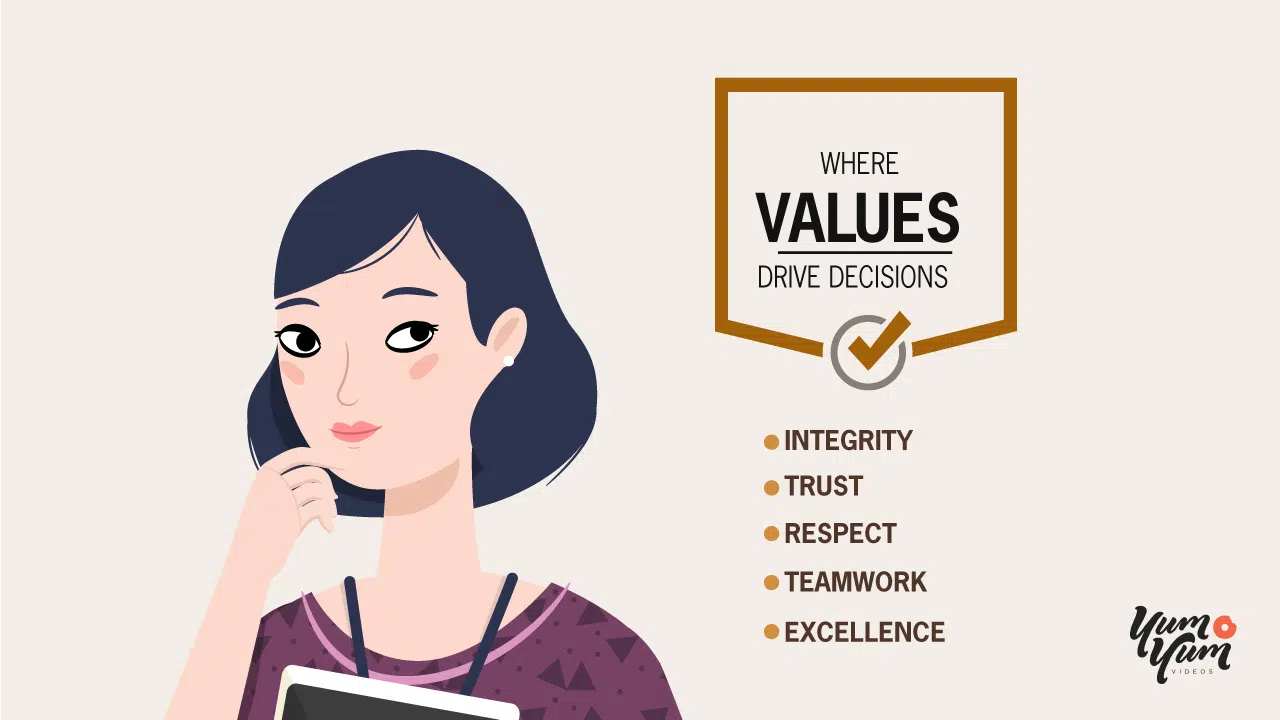
Frame from a training video produced for Brown Forman by Yum Yum Videos.
What training video services should a company provide?
A full production can cover instructional planning, scriptwriting, storyboarding, filming or animation, voiceover, editing, captions, sound, reviews, localization, and final delivery. The exact mix should follow the project. A software tutorial may need screen capture and interface animation, while a workplace procedure could depend mostly on filming and editing.
Are training videos useful for customer education too?
Yes. Product onboarding, software tutorials, setup instructions, support content, certification, and customer education use many of the same production principles. Some projects sit closer to education than internal training; our Education & eLearning videos cover those use cases in more detail. The audience changes, but you still need to know what the viewer should understand or be able to do once the video ends.
Before You Ask for Training Video Quotes
Write down the task or knowledge you want to teach, who needs to learn it, and where the video will be used. Then decide whether viewers need to see software, real people, physical equipment, animation, or some combination of those formats.
It is also worth identifying the reviewers before the project begins. If legal, compliance, product, HR, or another team has to approve the lesson, the production company should know that before setting the schedule.
Finally, ask how future updates are handled. A process, interface, policy, or product may change long before the rest of the training becomes outdated. The answer will tell you quite a bit about whether the company is thinking about one video or the training library you may still be using a few years from now.
With those points defined, proposals become easier to compare because you are evaluating each company against an actual learning problem rather than choosing from reels alone.

Victor Blasco
Co-founder of Yum Yum Videos | Explainer Video & Video Marketing Expert
Victor Blasco has over 25 years of experience in animation and film production. For the past 14+ years, he has worked with companies to create explainer and marketing videos that simplify complex ideas and drive business results.
His work has supported global brands like Amazon and McKesson, as well as startups that raised over $2B and reached unicorn or IPO stages.
Victor shares insights based on real client work. His contributions have been published on platforms like Social Media Examiner, and he has been featured or quoted in outlets such as Forbes.