25 Best Non Profit Video Examples (and Why You Need One!)

Co-founder of Yum Yum Videos | Explainer Video & Video Marketing Expert
A nonprofit video has to do more than explain a cause. The viewer may know nothing about the issue, may not see how it affects real people, and may have only a few minutes to decide whether to donate, volunteer, share, or keep learning.
That is where nonprofit videos can help. Video gives a nonprofit a way to connect the problem, the people affected, the work being done, and the next action inside one clear story. Animation is especially useful when the subject involves policy, health, data, social systems, or another topic that is difficult to film directly.
The 25 nonprofit video examples below use animation, live storytelling, education, data, and public service messaging in very different ways. Two of them, CoachArt and Workforce Opportunity Services, were produced by Yum Yum Videos, an animated video company, so I can also explain some of the choices from direct production experience.
If you are planning an animated piece, our explainer video production page shows how we structure projects from script through animation. You can also compare providers in our guide to nonprofit video production companies, or browse more explainer video examples for creative references.
Table of Contents
TL;DR
- Nonprofit videos work best when the viewer can understand the issue, see who it affects, and know what to do next.
- Nonprofit animation is useful for policy, health, data, systems, and other subjects that need visual explanation.
- Fundraising videos need a specific use for the donation or a clear next action.
- Educational nonprofit explainer videos should match the audience’s existing knowledge and avoid unnecessary detail.
- The 25 examples below show different approaches to awareness, education, fundraising, volunteering, and advocacy.
Why Use Nonprofit Videos?
Nonprofits usually ask the audience to care about something before asking them to act. Video can make that first step easier by putting people, places, numbers, and consequences into the same sequence.
For awareness work, a short video can introduce an issue to someone who has never encountered it. For education, animation can show a process or system that would take several paragraphs to describe. For fundraising, the story can connect a donation with the work it supports. For conferences and meetings, video can give every attendee the same introduction before a speaker goes deeper.
How Nonprofit Animation Can Be Used
| Goal | What the video needs to do | Useful format |
|---|---|---|
| Raise awareness | Explain the issue and why it matters | Animated explainer, short documentary, public service video |
| Fundraise | Connect the need with a specific use for support | Story based video, testimonial, animation |
| Educate | Break a process or topic into understandable steps | Nonprofit explainer video, whiteboard, motion graphics |
| Recruit volunteers | Show the role, the people involved, and the expected commitment | Live action, animation, volunteer story |
| Support advocacy | Summarize policy, data, or a public issue | Motion graphics, data animation, explainer |
The format should follow the communication problem. A volunteer story may need real people on camera. A policy campaign may need charts and animated diagrams. A sensitive health topic may benefit from illustration because it gives the organization more control over what the audience sees.
How Much Does a Nonprofit Explainer Video Cost?
Cost depends on runtime, style, complexity, revisions, voiceover, and deadline. In our 2026 animation pricing study, we contacted 125 animation companies and collected 61 usable quotes. The median quote was $9,680 per minute.
That number is a market reference, not a fixed nonprofit rate. A simple motion graphics piece may require less production than custom character animation, while 3D, additional review rounds, or a compressed schedule can raise the budget.
Our animation cost study explains the methodology and current ranges. Nonprofits should also ask whether a proposal includes scriptwriting, storyboard, illustration, voiceover, sound, captions, and future edits.
25 Best Nonprofit Video Examples
I chose these examples because each one solves a specific communication problem. Some explain policy. Some teach health information. Others recruit volunteers, raise awareness, or make a large social issue easier to understand.
1. CoachArt: Make the Volunteer Role Easy to Picture

CoachArt connects children with chronic illnesses with volunteer arts and athletics coaches. We produced this animated video to help potential volunteers understand the organization and picture what participation could look like.
The visual tone stays warm and energetic, but the important choice is structural. The video gives the audience a role inside the story. Viewers learn who CoachArt serves, what volunteers do, and why their time matters.
2. Workforce Opportunity Services: Explain the Mission Through the People It Serves
Workforce Opportunity Services helps connect underrepresented talent with education and career opportunities. In the video we produced, animation organizes that mission into a simple path the viewer can follow.
The piece identifies the people the organization serves, shows the support available to them, and explains how that support connects with employment. This is a useful model for nonprofit explainer videos built around a program or service instead of a physical product.
3. Defenders of Wildlife: Turn Policy Into a Story
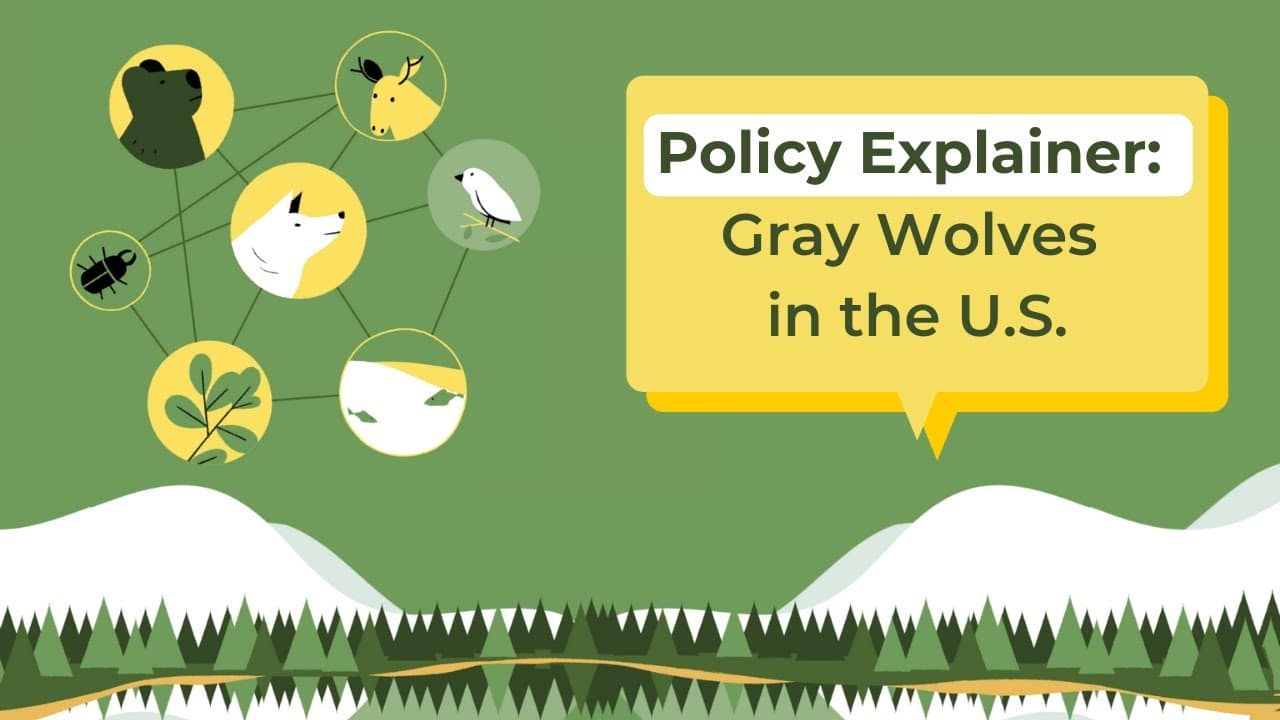
Wildlife policy can become abstract very quickly. Defenders of Wildlife gives the gray wolf issue a narrative sequence so the viewer can follow what changed, why the change matters, and what action the organization wants supporters to consider.
This is a strong use of nonprofit video storytelling because the policy information stays attached to a real consequence. The viewer does not need to read a long report before understanding the central issue.
4. UNODC: Condense a Policy Topic for Institutional Audiences
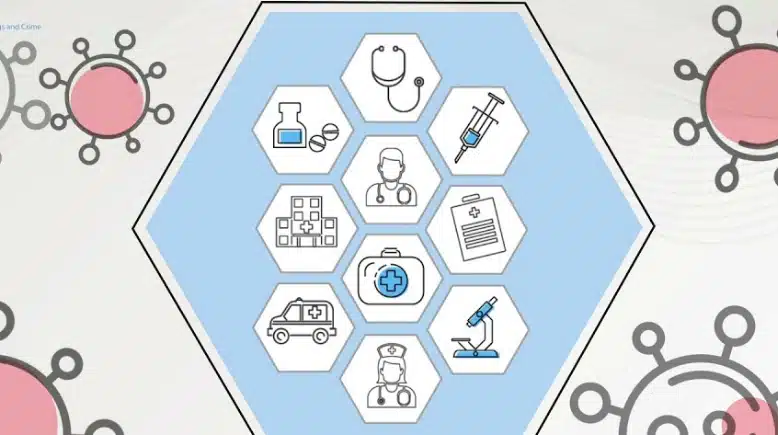
UNODC uses animation to explain whistleblower protection to an audience that may include governments, institutions, and policy professionals.
The video works because it reduces a dense subject to the information the audience needs first. For advocacy organizations, this is one of the most practical uses of animation: turn a report, framework, or policy issue into a short visual explanation that can open a meeting or presentation.
5. Operation Smile: Start With the Human Consequence
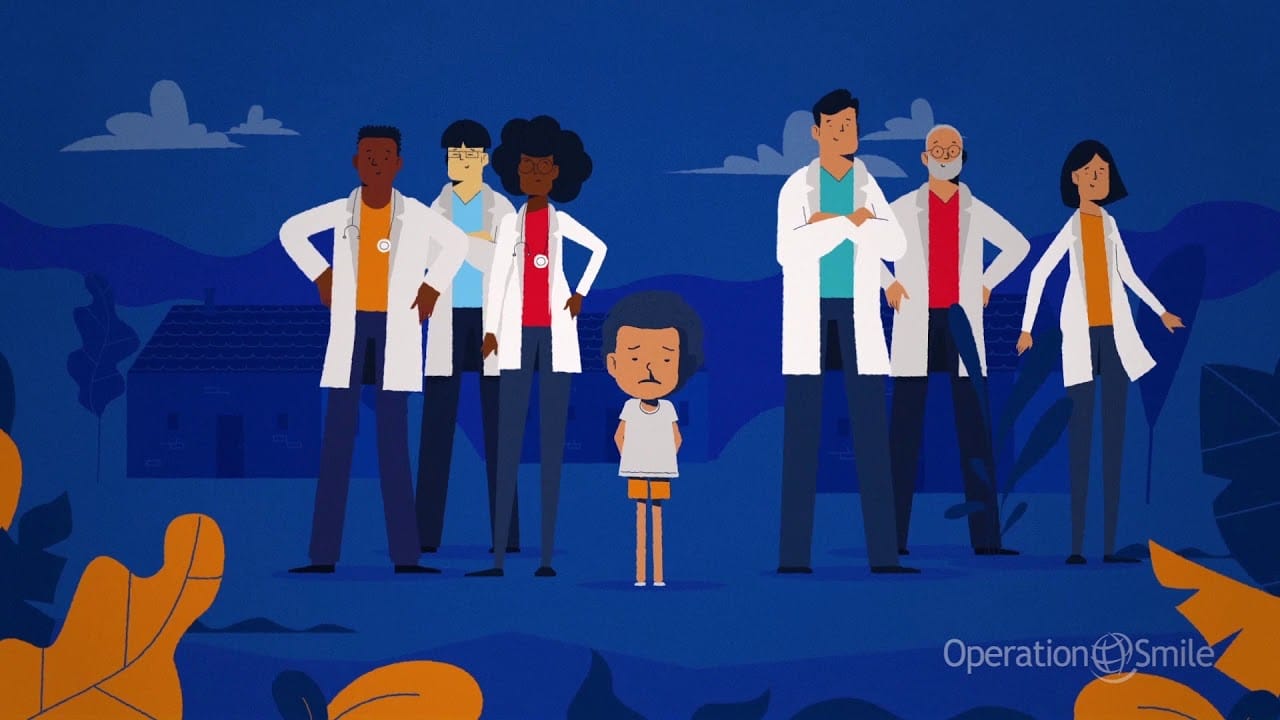
Operation Smile puts the people affected by its work at the center of the message. The video gives viewers context for the medical need before it asks them to think about support.
For fundraising and awareness, this order matters. The audience first understands who is affected and what the organization does. The call to help has a specific story behind it.
6. Doctors Without Borders: Let the Visuals Carry Sensitive Information
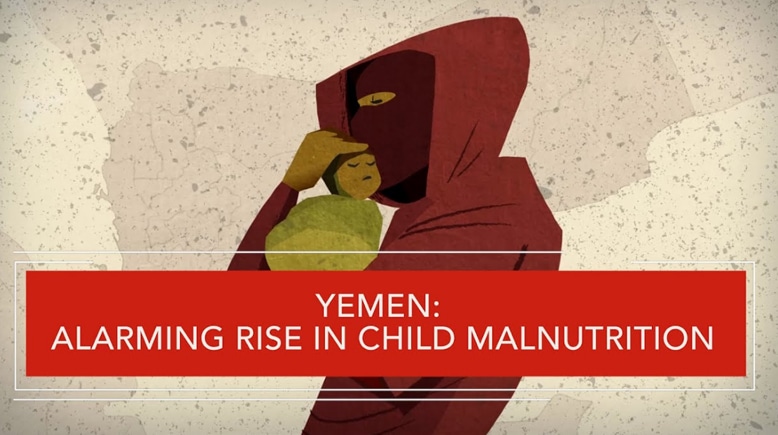
Doctors Without Borders addresses child malnutrition in Yemen with a restrained visual approach. Sensitive subjects do not always need a narrator pushing emotion into every scene.
When the visual sequence is clear, on screen text and subtitles can carry the necessary facts. This gives the organization more control over tone while keeping the information accessible when viewers watch without sound.
7. Love Vail: Show an Environmental Problem at Local Scale
Restore the Gore focuses on Gore Creek and gives a local environmental issue a visible setting. The viewer sees what is happening, why the creek matters to the community, and which actions can help protect it.
Local nonprofits can borrow that structure. Start with a place the audience recognizes, explain the problem in that context, and end with actions that feel possible at community scale.
8. Letters Foundation: Explain How the Organization Works Behind the Scenes
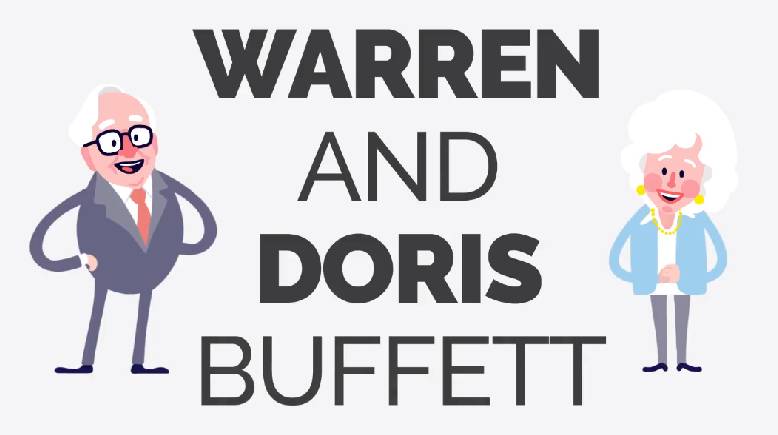
The Letters Foundation uses video to explain where the organization came from and how its work reaches people who need help.
Behind the scenes nonprofit videos are useful when donors or supporters may understand the mission but still have questions about how the organization operates. Process can be part of the story.
9. Alliance for Aging Research: Teach a Health Topic Visually

The Alliance for Aging Research uses animation to explain AFib related stroke risk. The topic involves medical information that many viewers will not already know.
The video gives that information an order. Each idea appears when the viewer needs it, which makes the lesson easier to follow than presenting all of the terminology at once.
10. Plastic Pollution Coalition: Use Storytelling Without Guilt

Plastic Pollution Coalition frames the subject through a story instead of a lecture. That choice gives the audience room to think about its own relationship with plastic and waste.
For causes that depend on behavior change, tone matters. A story can present the consequence, the tension, and the alternative without turning the whole piece into an accusation.
11. City of Hope: Use Whiteboard Animation for Step Based Education
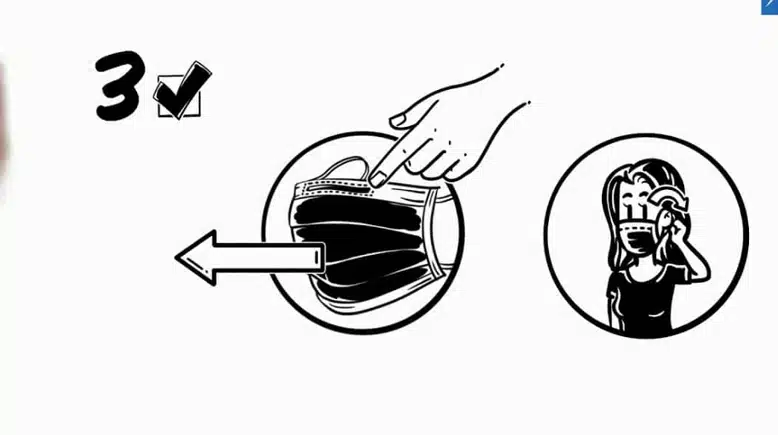
City of Hope uses a simple visual style to teach how to wear a face mask. The lesson is procedural, so the viewer needs to see the sequence clearly.
This is where a whiteboard animation video can work well. Fewer visual elements keep attention on the steps, labels, and actions that matter.
12. Autism Speaks: Combine Several Animation Techniques for a PSA
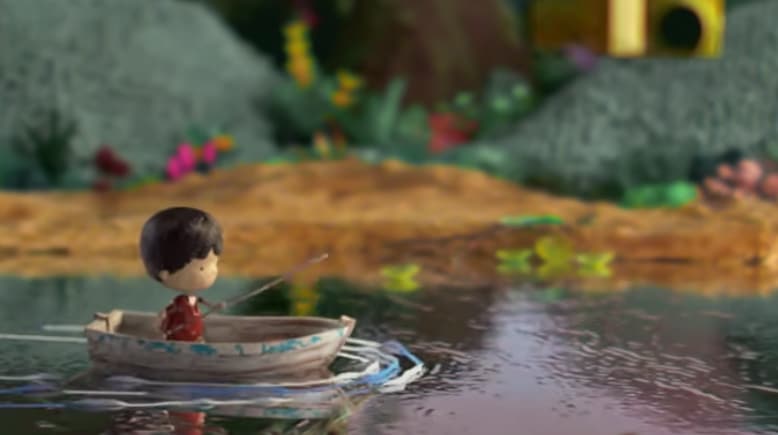
Autism Speaks uses 3D and stop motion techniques to introduce early signs of autism from a child’s perspective.
The perspective is the key creative choice. The video does not present the subject as a checklist alone. It gives the audience a point of view and then uses the visuals to support the screening information.
13. UK Trauma Council: Give Complex Education Enough Time
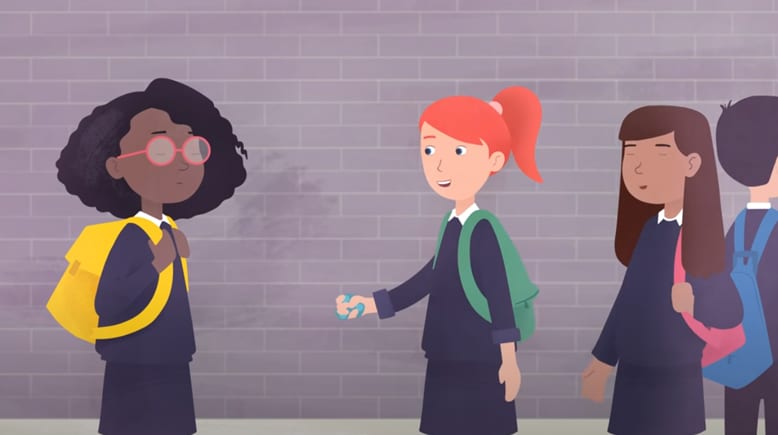
The UK Trauma Council video is longer than a typical short explainer because childhood trauma and the brain need more context.
Length should follow the learning job. A 60 second awareness piece and a five minute educational video solve different problems. When the audience needs to understand several connected ideas, a longer runtime can be justified by the content.
14. The Girl Effect: Contrast the Problem With the Possible Outcome
The Girl Effect uses contrast to show how poverty can shape a girl’s future and how early support can change the path available to her.
The editorial lesson is specific: show the consequence and the alternative in the same story. That gives viewers a clearer picture of what the organization is trying to change.
15. AARP Foundation: Turn Statistics Into a Visual Narrative
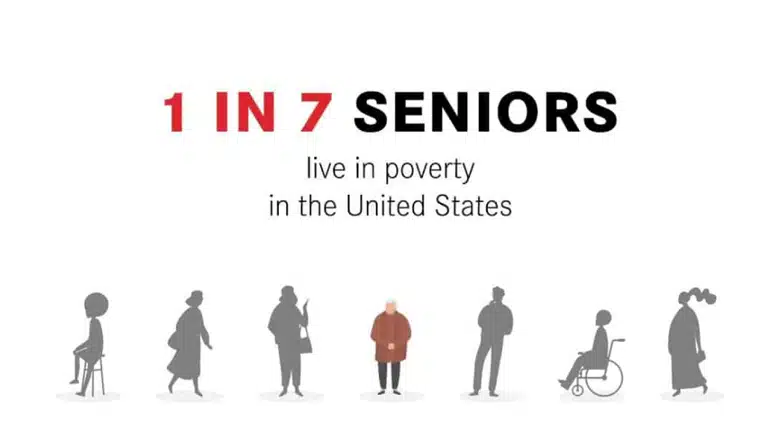
AARP Foundation uses animated data to explain senior poverty. Numbers that would feel dense in a slide deck become easier to compare when the visual hierarchy shows what deserves attention first.
This approach works well for conferences, advocacy, and public education where the audience needs a fast orientation before a speaker or report adds more detail.
16. The Asia Foundation: Explain How a Program Works
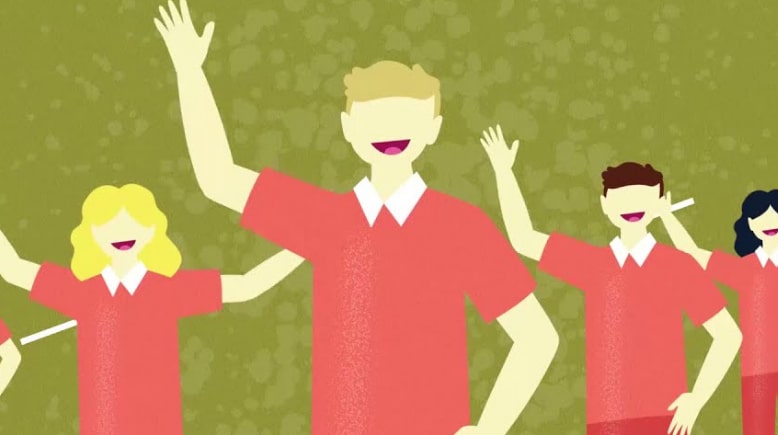
The Asia Foundation uses video to explain Coalitions for Change, including the problem, the program, and the way different groups work together.
Program explainers are useful when an organization has several stakeholders or a process with multiple stages. Animation can show the relationship between those parts without forcing the audience through a large block of text.
17. Points of Light: Use Animated Text When Voiceover Is Optional
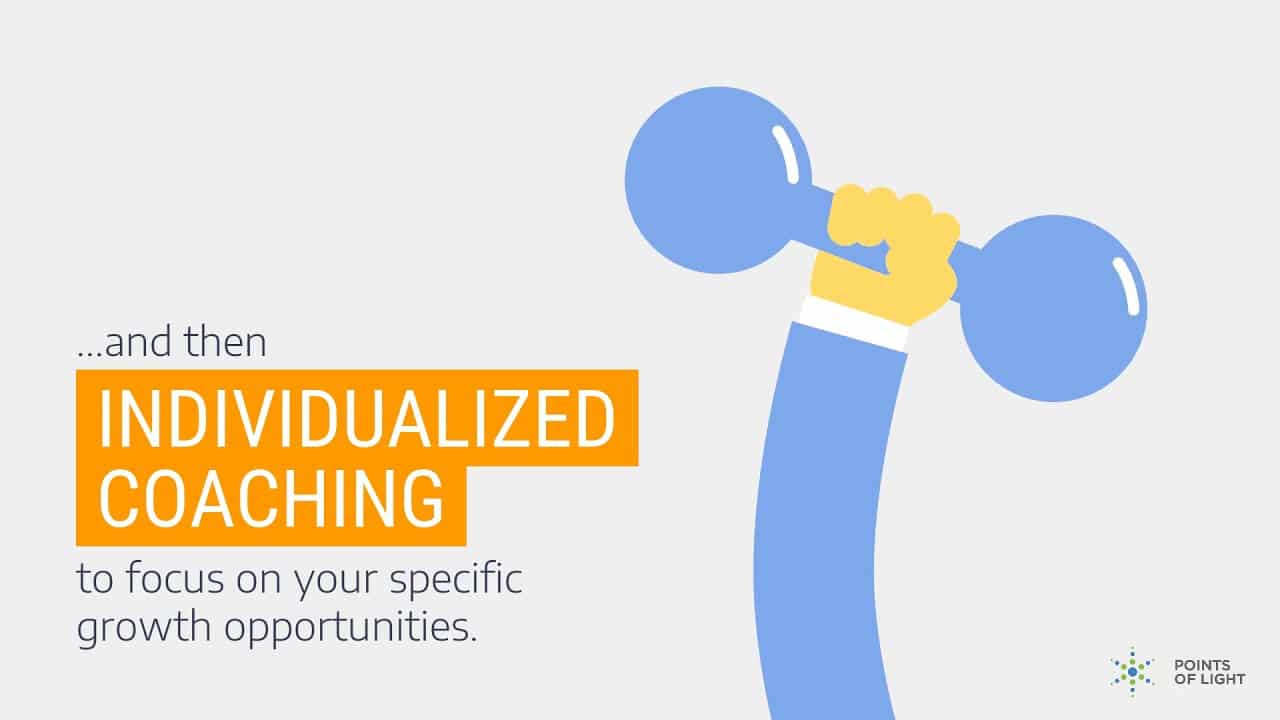
Points of Light shows that narration is not required for every nonprofit video. Animated text carries the explanation while the motion keeps the information moving.
This format can be useful on social platforms, at events, or in environments where viewers may watch without sound. The text needs to stay readable and the pace has to leave enough time for each message.
18. IUCN: Build the Story Around Text and Visual Rhythm
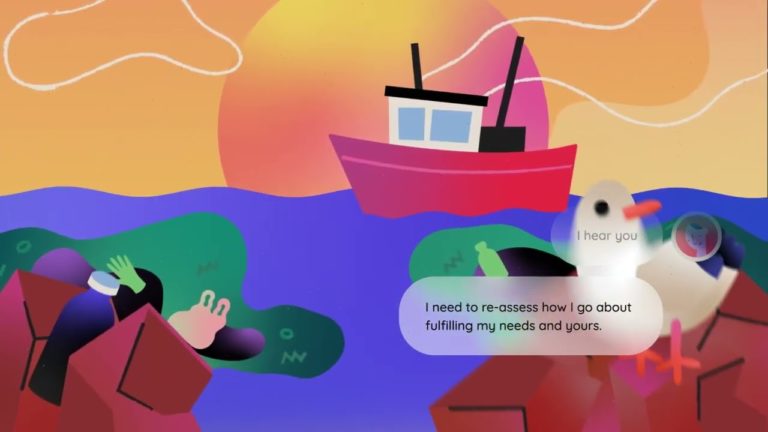
IUCN also relies heavily on text, but the visual rhythm keeps it connected to the story instead of turning the video into a moving document.
Text heavy animation works when each line has a clear job and the typography belongs to the visual system. Long paragraphs on screen create a reading problem, so the information still needs to be edited for video.
19. Mercy Corps: Show Community Action in Context

Mercy Corps uses animation to show communities preparing together. The characters and setting make the action understandable before the script asks viewers to think about their own role.
For volunteer or community programs, this can be more useful than describing participation in abstract terms. Show what people actually do and where that action fits.
20. Opportunity International: Put a Large Education Problem Into One Story
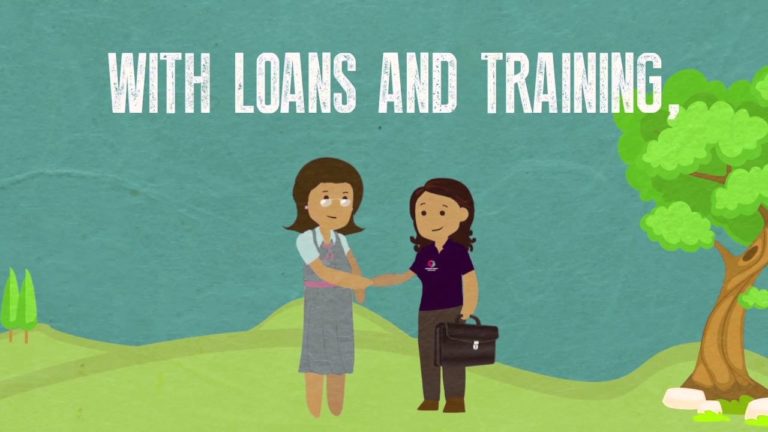
Opportunity International addresses access to education by grounding the subject in people and families before widening the story to the larger issue.
That makes the scale easier to process. A nonprofit video can start with one person or family and then widen the view to the larger system the organization is trying to change.
21. Bliss Baby Charity: Let One Visual Idea Carry the Emotion
Bliss Baby Charity uses a simple visual idea around the experience of parents who cannot hold a premature baby. The animation stays focused on that emotional gap instead of adding a long explanation.
For sensitive causes, restraint can be effective. One carefully chosen situation can communicate more than a sequence packed with claims, statistics, and calls to action.
22. UNAIDS Caribbean: Explain How Inequality Affects Access to Care
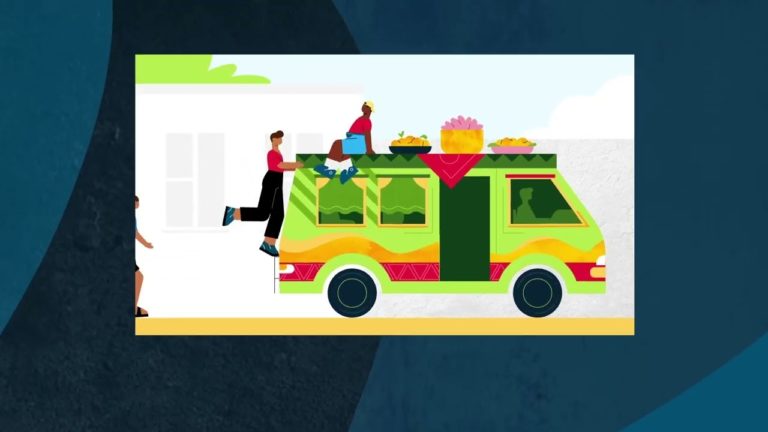
UNAIDS Caribbean connects inequality with access to care and the wider AIDS epidemic. Animation helps show the relationship between several social factors that may otherwise feel disconnected.
This is a useful approach for advocacy work. If the cause involves a system, the video can show how one condition affects another instead of treating every fact as a separate point.
23. Charity Water: Break the Water Crisis Into Visual Steps
Charity Water explains the water crisis through a sequence of visuals and straightforward narration. The animation separates a large global issue into parts the viewer can understand one at a time.
That structure is the lesson here. Start with the problem, show what creates or worsens it, then explain where the organization intervenes. The audience can follow the logic without already knowing the subject.
24. Family and Community Services NSW: Make Volunteering Concrete
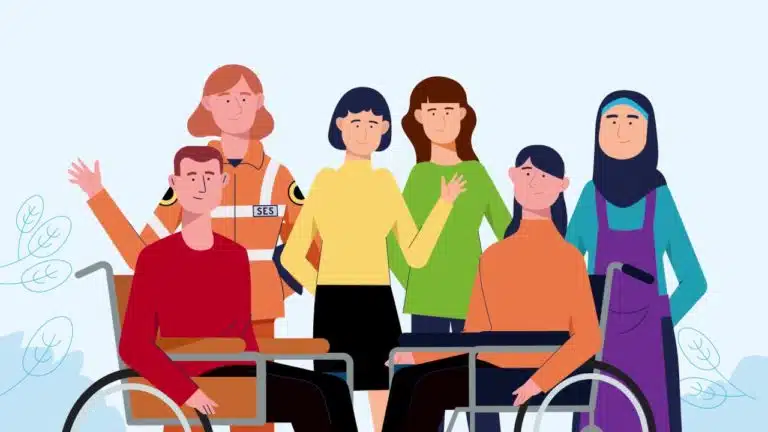
This volunteer video gives people a clearer idea of why the role matters and what participation can mean for the community.
Recruitment videos should answer the practical questions behind the emotional message. Who needs help? What will the volunteer do? What kind of commitment is involved? Those details help interested viewers decide whether to take the next step.
25. PolicyEd: Use Animation to Explain a Difficult Economic Topic
PolicyEd uses animation to explain the national debt, a subject that can become difficult to follow when the explanation relies on numbers alone.
Each scene builds on the previous idea, so the viewer develops the mental model gradually. Nonprofit and policy organizations can use the same approach for budgets, public systems, regulation, and other subjects where the relationships matter as much as the individual facts.

What the Best Nonprofit Videos Have in Common
They Give the Viewer One Clear Job
A nonprofit video may ask someone to donate, volunteer, sign up, share, attend, or learn more. Pick the primary action before writing the script. Too many calls to action make it harder to know what the video was built to accomplish.
They Match the Story to the Audience
A donor, volunteer, policymaker, parent, clinician, and community member bring different knowledge to the same issue. The opening should start from what that audience already understands.
They Show How the Organization Creates Change
Mission statements can sound abstract. A useful video shows the actual mechanism: who the organization serves, what it does, and what changes after the work happens.
They Use Emotion With Specificity
Stories become more credible when emotion comes from a concrete person, situation, or consequence. CoachArt shows a volunteer relationship. Bliss Baby Charity focuses on a parent who cannot hold a premature baby. The feeling comes from the situation itself.
Our guide to video storytelling examples goes deeper into how structure, audience, and point of view change the story.
Nonprofit Video FAQ
What is a nonprofit video?
A nonprofit video is a video created to explain a mission, raise awareness, educate an audience, recruit volunteers, support fundraising, or advocate around a cause. It can use animation, live action, interviews, documentary footage, motion graphics, or a mix of formats.
Why use nonprofit animation?
Nonprofit animation is useful when the organization needs to explain something that is hard to film directly. Examples include health processes, policy, environmental systems, statistics, social inequality, and hypothetical situations.
What makes a good nonprofit video?
A good nonprofit video has one audience, one main message, a clear explanation of the issue, and a specific next action. The visual style should support the subject and the tone should fit the people represented in the story.
How long should nonprofit explainer videos be?
Many nonprofit explainer videos fit between 60 and 120 seconds. Educational subjects may need more time, as the UK Trauma Council example shows. Runtime should follow the amount of context the audience genuinely needs.
Can nonprofit videos help with fundraising?
Yes. A fundraising video can explain the need, show the work the organization performs, and connect the donation with a specific outcome or program. The video should make the use of support easy to understand.
Before You Produce a Nonprofit Video
Write down four answers before choosing a style:
- Who is the audience?
- What do they need to understand?
- What should they do after watching?
- Which part of the story is hardest to explain with words or static images?
Those answers usually tell you whether the project needs live action, animation, a testimonial, a data driven explainer, or a combination of formats.

Victor Blasco
Co-founder of Yum Yum Videos | Explainer Video & Video Marketing Expert
Victor Blasco has over 25 years of experience in animation and film production. For the past 14+ years, he has worked with companies to create explainer and marketing videos that simplify complex ideas and drive business results.
His work has supported global brands like Amazon and McKesson, as well as startups that raised over $2B and reached unicorn or IPO stages.
Victor shares insights based on real client work. His contributions have been published on platforms like Social Media Examiner, and he has been featured or quoted in outlets such as Forbes.