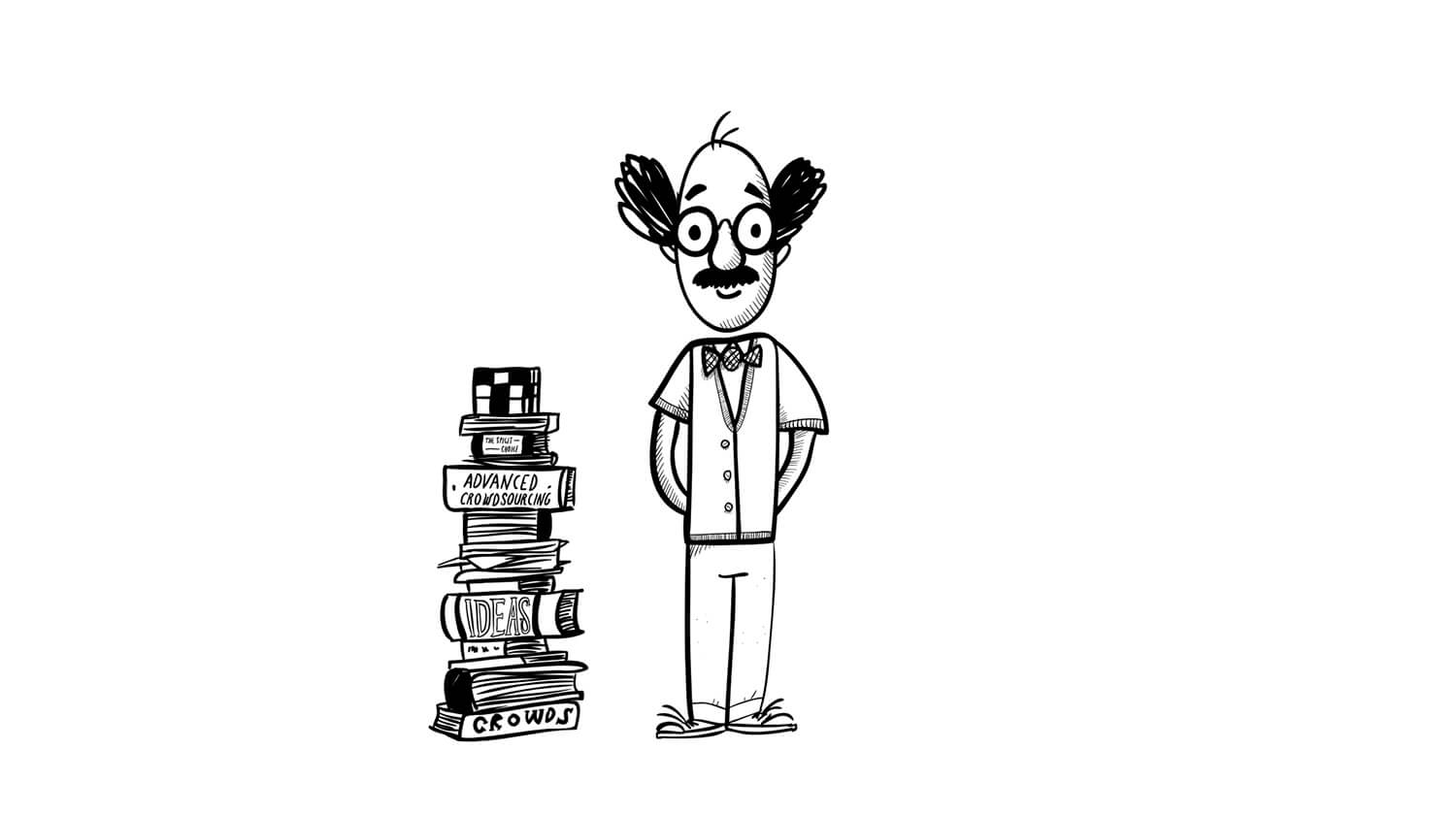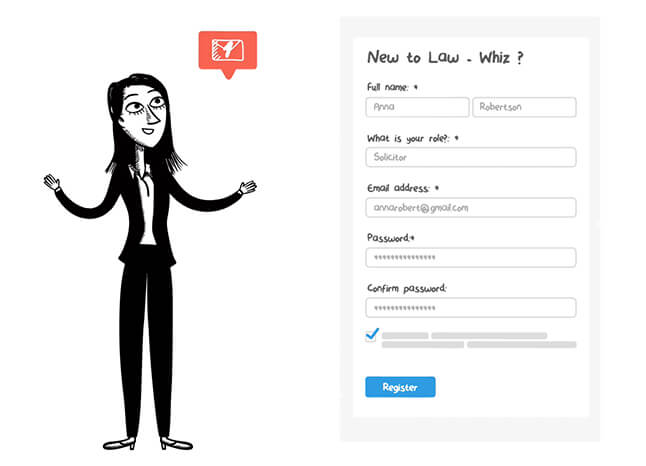
McKesson
Length: 2 minutes
Whiteboard Explainer Video
Turn complex products, services, and ideas into clear visual stories with whiteboard explainer videos designed to educate and engage your audience.
The simple, hand-drawn approach makes complex subjects easier to break down, follow, and understand step by step.


Whiteboard videos can simplify complex messages and make products, services, and ideas easier to understand.
Here are two examples of companies that used our videos during important stages of growth.
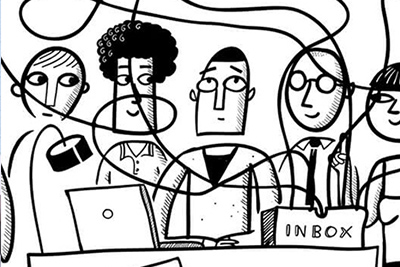
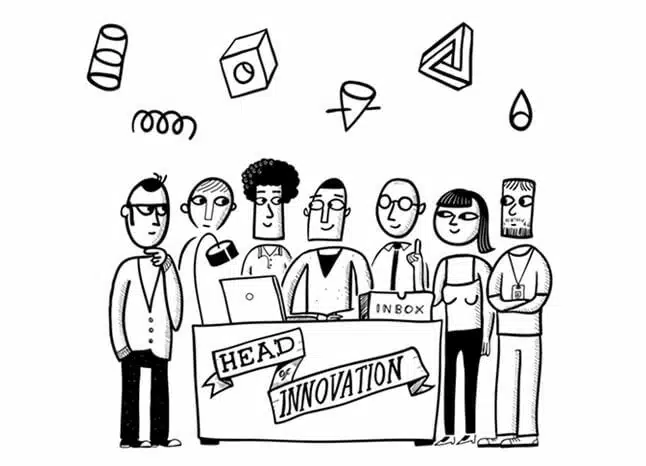
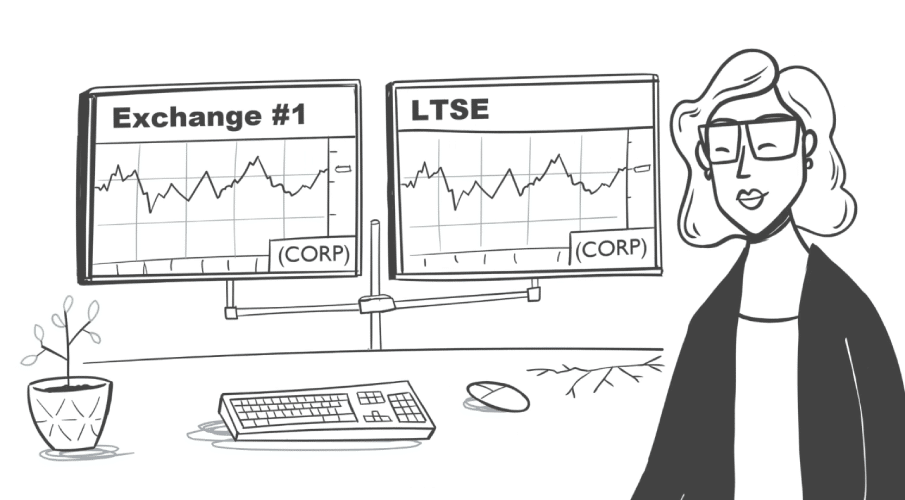
We produced 2 whiteboard videos for Spigit during a period that included 120% sales growth and a later acquisition.
Read more
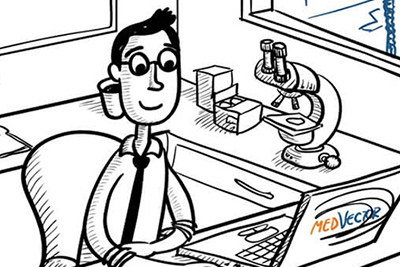
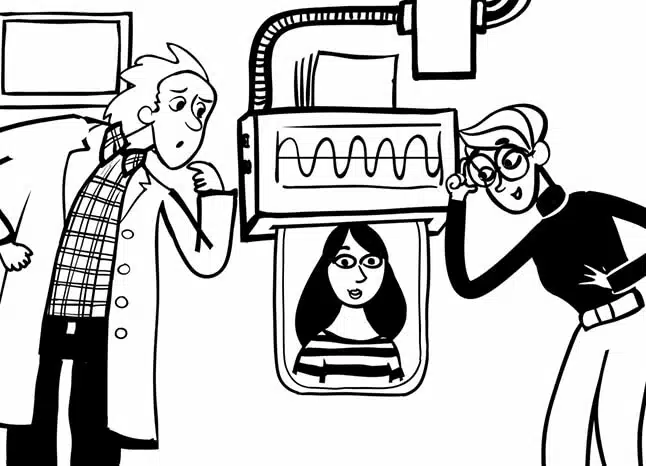
We created 2 whiteboard explainer videos for MedVector to explain its healthcare solution. The company later raised more than $3.5M in funding.
Read more
MedVector came to us with a healthcare solution that needed to be explained clearly to potential investors and other audiences.
We created 2 whiteboard explainer videos that broke the idea down into a simple visual story.
Using a landing page and our videos, MedVector raised more than $3.5 million in funding. Its CEO later credited Yum Yum Videos with helping support the raise.
Whiteboard videos can turn a complex message into a simple visual story, helping viewers understand the value faster and making it easier to take the next step.
What’s more effective for teaching complex ideas than a whiteboard? Whiteboard educational videos are ideal for breaking down complex information into something clear, visual, and easy to follow.
Whiteboard animation videos bring ideas to life through visual storytelling, turning complex messages into simple, memorable content.
A clear visual story can make your message easier to remember long after the video ends.

Hear directly from our clients about their experience working with our team, including the production process, communication, and final videos.


Tell us what you need to explain and who needs to understand it.
We’ll help you create a video that turns a complex message into a clear visual story built around your audience and business goal.
 +14 Years Experience
  Worldwide Clients
  Customized Process
  5 Star Quality
  Fixed Deadlines
 We’re Yum Yum Videos, an animated explainer video company with 14+ years of experience and more than 1,000 custom videos created for startups, growing companies, and global brands.
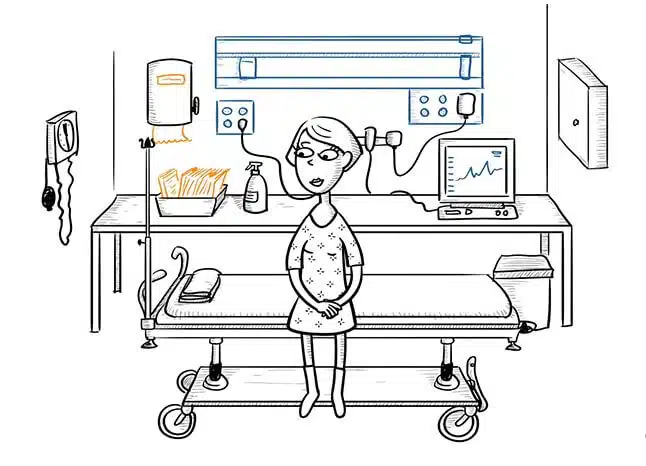
We’ve created whiteboard videos for companies such as McKesson, Spigit, and MedVector. Spigit’s projects came during a period that included 120% sales growth and a later acquisition, while MedVector used our videos as part of a campaign that raised more than $3.5M in funding.
This approach works particularly well when the audience needs to learn something, understand a process, or follow an idea from one step to the next. The visuals stay simple so the message remains the focus.
Hear directly from our clients about their experience working with Yum Yum Videos and the results our videos helped them achieve.

"Their ability to understand complex topics and visualize them was amazing. We’ve raised $3.5m with a lot of help from Yum Yum Videos!"

"Yum Yum is a beautiful company with an easy process to get your project done in an easy, beautiful way. Thank you, Yum Yum."

"Yum Yum Videos is amazing to work with. Their quality of work is exceptional, and they are very responsive and always professional."

"Yum Yum went the extra mile to understand our product. Very satisfied with their team, process, creativity, and video produced."

"Nothing out there compares to their ability to deliver the story and message."

"Yum Yum was super easy to work with and willing to go as fast or as slow as we needed. Their process and review system were easy to work with. I highly recommend them!"

"The internal feedback we’ve gotten has been great. It’s being a positive relationship and appreciated the agency's ability to remain responsive and meet deadlines."

"The process was simple, remained on track and always professional. We recommend YumYum for your video needs!"
We create whiteboard animation videos for businesses that need to explain complex products, services, processes, or ideas.
Tell us about your project and book an assessment call with our team that takes about 30 minutes.
We’ll help turn your message into a clear whiteboard explainer video built around your audience and what you want the video to achieve.
Headquarters – Miami, USA
150 SE 2nd Ave, Ste 1403
Miami, Florida, 33132
United States
Office – Buenos Aires, Argentina
Mariano Acha 1750, C1430 DUJ,
Buenos Aires, Argentina
Miami
150 SE 2nd Ave, Ste 1403
Miami, Florida, 33132
United States
Buenos Aires
Mariano Acha 1750, C1430 DUJ,
Buenos Aires, Argentina