10 SaaS Explainer Video Case Studies: Funding, Growth and IPOs

Co-founder of Yum Yum Videos | Explainer Video & Video Marketing Expert
SaaS Explainer Video Case Studies From Funding, Growth, and Global Expansion
TL;DR: These 10 SaaS explainer video case studies show how companies used animation to explain complex platforms to customers, investors, partners, and users during important stages of growth. The business context includes funding rounds, public listings, revenue growth, market expansion, and billion dollar valuations.
SaaS teams often arrive with a lot they want to explain at once: APIs, integrations, dashboards, workflows, automation, and the business problem behind all of it. A short video forces some decisions about what the viewer really needs first.
In several of these projects, the difficult part of the product happened behind the interface. Fonoa had tax logic and compliance workflows. Branch had attribution and deep linking. Digital Turbine had mobile advertising infrastructure. Animation gave us something visual to work with when screenshots alone were not enough.
The projects cover SaaS, fintech, healthtech, ad tech, insurtech, and other technology markets. Some videos were built primarily for product marketing or onboarding. Others had to work with investors, partners, or customers in more than one market.
The business milestones included in each case belong to the companies themselves. I have kept those separate from results we can attribute directly to the videos, such as views, documented usage, or where the assets appeared.
If you want to look at the creative work first, our guide to the best SaaS explainer video examples focuses more closely on animation, scripts, visual style, and pacing.
Table of Contents
SaaS Explainer Video Case Studies at a Glance
| Client | SaaS Niche | What the Video Needed to Explain | Business Context |
| Accelerant | InsurTech / FinTech | Insurance model for members, partners, and investors | $6.4B NYSE debut |
| Chargebee | FinTech / Subscription Management | Subscription billing and revenue operations | $3.5B valuation |
| BetterUp | HR Tech / Enterprise Coaching | Coaching platform and enterprise performance | $4.7B valuation |
| Branch | MarTech / Mobile Attribution | Deep linking, attribution, and its open ecosystem | $4B valuation |
| Digital Turbine | Mobile Ad Tech | Mobile advertising infrastructure | $5B+ peak market cap / 126% YoY revenue growth |
| Fonoa | Tax Automation | Global tax compliance and automation | $85M+ funding / 7x revenue growth |
| Kevel | API Ad Tech | New brand identity and API infrastructure | 60% revenue growth / $10M Series B |
| BrightInsight | HealthTech / Biotech | Regulated digital health platform | 400%+ revenue growth / $101M Series C |
| Practifi | WealthTech | Financial platform for U.S. and Australian audiences | $16.3M Series B |
| Airtm | FinTech / P2P Exchange | Digital dollar accounts and P2P transactions | $15M investment / 600K+ video views |
10 SaaS Explainer Video Case Studies
1. Accelerant: 9 Explainer Videos Across a Journey to a $6.4B NYSE Debut
Accelerant operates in insurance technology, where its model has to make sense to several different audiences. A broker does not need exactly the same explanation as an investor or a prospective member.
Between 2021 and 2024, we produced nine animated explainers for Accelerant. Instead of asking one video to carry every message, the series addressed different audiences while keeping the same visual system and overall brand language.
During that broader period, Accelerant raised $190 million in 2022 and another $150 million in 2023. In 2025, the company completed an NYSE offering that raised approximately $724 million and debuted at a $6.4 billion valuation.
Those funding and valuation figures describe Accelerant, not the performance of the videos. The series gave the company a consistent way to explain the business as it added new audiences and communication needs.
You can see how the work developed across the full Accelerant case study.
2. Chargebee: Three Explainers for Subscription Billing and Revenue Operations
Chargebee needed to explain subscription billing and revenue operations without turning the video into a tour of software features.
We created three animated explainers around different parts of that problem. The videos used visual ideas such as tangled billing and leaking revenue to give viewers something concrete to follow before moving deeper into the platform.
The videos were used across marketing, onboarding, and sales communication and accumulated more than 400,000 views across platforms.
Chargebee also went through several major funding stages during this period. The company reached a $1.4 billion valuation in 2021 after a $125 million round, then raised another $250 million in 2022 at a $3.5 billion valuation.
Our work with Chargebee began before those later valuations. The full Chargebee case study looks more closely at the three videos and the ideas behind them.
If you are budgeting for a similar project, our guide to explainer video cost breaks down the main pricing factors.
3. Fonoa: Explaining Global Tax Automation During 7x Revenue Growth
Fonoa built a tax automation platform for digital businesses operating across countries. Tax determination, reporting, e-invoicing, and compliance are important parts of the product, but none of them are especially easy to show on camera.
We created an animated explainer that turned those processes into a visual workflow. The goal was to make the platform understandable to enterprise buyers and investors while keeping enough technical detail to explain what the product actually does.
The same video could then be used in investor presentations, customer onboarding, and external communication.
Fonoa reported 7x revenue growth during its broader expansion and raised more than $85 million across its Series A and Series B rounds. Its Series B alone brought in $60 million. The full Fonoa case study looks at how we approached the tax automation story.
4. Branch: Making Mobile Attribution and Deep Linking Easier to Follow
.
Branch had a particularly technical story to tell. Its platform covers mobile attribution, deep linking, and an open ecosystem that connects experiences across apps and channels.
We built the explainer around that larger platform idea before getting into individual technical concepts. The script also reflected Branch’s positioning around an open ecosystem rather than treating the video as a feature walkthrough.
The finished video appeared on Branch channels, in sales communication, and on external sites discussing the platform.
In 2022, Branch raised a $300 million Series F at a $4 billion valuation. The timing also matched the company’s push around its open ecosystem positioning.
The full Branch case study looks at how we approached the platform story.
5. Digital Turbine: Four Videos for a Mobile Advertising Platform
Digital Turbine had several products inside a mobile advertising ecosystem that was difficult to understand from screenshots alone.
We produced four custom animated explainers covering Dynamic Installs, SingleTap, AppWizard, and GamesFolder. We used motion graphics to show what was happening behind the product interface. The videos still had to make sense to carriers, partners, and marketing teams that did not need every technical detail.
Digital Turbine later reported $313.6 million in annual revenue, up 126% year over year. Its market capitalization also rose above $5 billion during that broader growth period.
6. Kevel: Explaining an API Product After a Major Rebrand
.
Kevel, previously known as Adzerk, was repositioning itself as an API based alternative for companies that wanted to build their own advertising infrastructure.
The project covered both the technology and the new identity. The script had to explain what Kevel’s APIs could do while fitting the company’s “Take back the Internet” positioning.
That meant connecting technical ideas such as APIs and infrastructure with practical business questions around flexibility and revenue opportunities.
Kevel reported 60% revenue growth around this period and later raised a $10 million Series B following its rebrand from Adzerk.
7. BetterUp: Two Explainers for Two Different Audiences
.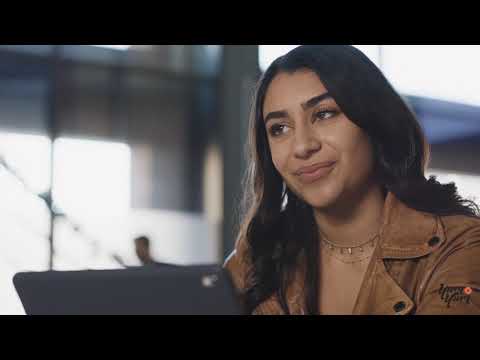
BetterUp’s coaching platform had to make sense at two very different levels. Individual users needed to understand what the experience would be like. Enterprise buyers cared more about coaching, performance, and business outcomes.
We produced two explainers. One introduced BetterUp and the user experience. The other focused more closely on sales performance and enterprise use.
During the company’s broader expansion, BetterUp reported more than $100 million in annual recurring revenue and customer growth above 80%. In 2021, it raised a $300 million Series E at a $4.7 billion valuation.
You can see the two projects in the full BetterUp case study.
8. BrightInsight: Explaining Digital Health for a Regulated Audience
.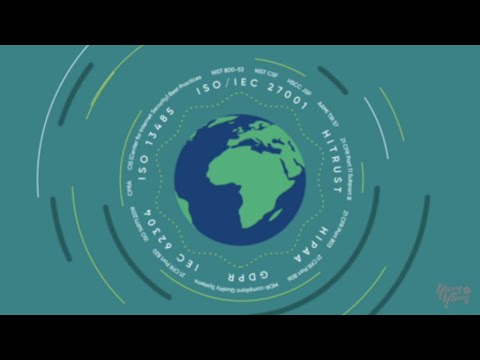
BrightInsight works in digital health, where product communication has to be clear while preserving the technical and regulatory information that matters to pharmaceutical partners.
We produced two explainer videos, one around the platform and another around its disease management solution. The design used interface references and restrained motion graphics to organize the information for pharmaceutical, healthcare, and professional audiences.
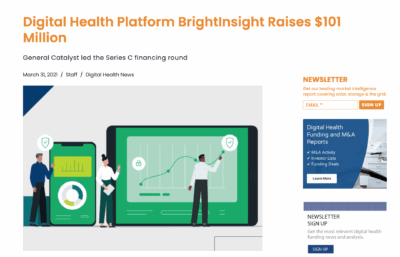
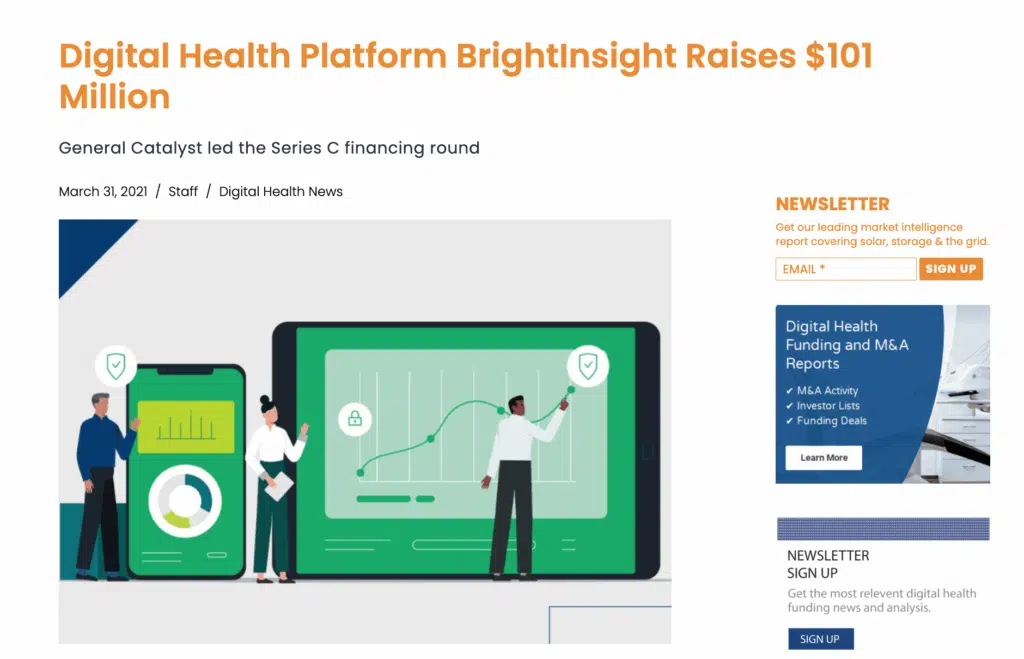
BrightInsight later raised a $101 million Series C. The company also reported more than 400% revenue growth in connection with its Deloitte Technology Fast 500 recognition.
9. Practifi: Localizing a WealthTech Explainer for Two Markets
Practifi was expanding its wealth management platform from Australia into the United States. The core product stayed the same, but the presentation had to feel natural in both markets.
We produced two localized versions of the explainer, one with a U.S. English voiceover and one with an Australian voiceover. The same visual system could support both markets without rebuilding the entire video.
The video explained workflows for advisors and broker dealers and also appeared outside Practifi’s own channels.
Practifi later completed a $16.3 million Series B.
10. Airtm: Two Languages for a Digital Dollar Product
Airtm had to explain a digital dollar account and P2P transaction model to people in markets where currency risk was already a familiar problem.
We produced two official animated explainers, one in Spanish and one in English. The story started with what users cared about, including protecting value and accessing money across borders, before explaining the mechanics behind the service.
The videos accumulated more than 600,000 organic views across platforms.
Airtm also received a $15 million investment from the Stellar Development Foundation Enterprise Fund. The video also appeared in external coverage of the company, including Forbes Argentina.
What We Learned From These SaaS Explainer Projects
Decide Who Gets the First 30 Seconds
A product team can easily fill a script with features. The harder decision is who the video is actually for.
With BetterUp, the difference was large enough that we produced two videos. One introduced the experience to users. The other spoke more directly to enterprise buyers. Accelerant eventually needed nine videos because the company was communicating with several audiences as it grew.
For a new project, I would decide who needs to understand the video first before deciding what goes into the script.
Screenshots Can Leave Most of the Story Hidden
Some SaaS products look deceptively simple on screen. Much of the interesting work happens underneath.
Fonoa is a good example. Looking at an interface does not explain tax determination across countries. Branch had the same problem with attribution and deep linking. Digital Turbine had infrastructure connecting different parts of a mobile advertising ecosystem.
In those cases, we look for a few visual ideas that make the system easier to follow. Trying to reproduce every technical step usually gives the viewer more information than the video can comfortably handle.
One Video Has a Limited Job
This comes up constantly in scripting. A product team has spent years building something, so naturally there is a lot they want people to know.
A 60 or 90 second video has limited room. If the first audience is an enterprise buyer, the script can focus on what that buyer needs. Engineers may need implementation detail later in a demo, documentation, another video, or a sales conversation.
That becomes especially important when different audiences care about different parts of the product.
About Yum Yum Videos
Yum Yum Videos is an explainer video services producing custom Tech & SaaS explainer videos for products that need more than a screenshot to explain. The projects above include work used for product marketing, sales, onboarding, investor communication, and international expansion.
You can explore more of our explainer video case studies across SaaS, healthcare, finance, and other industries.
Frequently Asked Questions About SaaS Explainer Videos
Which SaaS explainer video companies have case studies involving major funding rounds?
Yum Yum Videos produced a nine video series for Accelerant, three explainers for Chargebee, a tax automation explainer for Fonoa, and two audience specific videos for BetterUp. Those companies later went through major funding, valuation, or public market milestones described in the case studies above.
How long should a SaaS explainer video be?
Many homepage and sales explainers fall between 60 and 90 seconds. A simple product may need less time, while a technical platform or product demo may need several minutes. The right length depends on what the viewer needs to understand and where the video will be used.
Is custom animation better than live action for SaaS?
It depends on what the viewer needs to see. Animation is particularly useful for APIs, data flows, automation, integrations, and workflows behind an interface. Live action is a natural fit when people, environments, or physical interactions are central to the story. Some projects use both.
Can an explainer video help during a rebrand?
Yes. A rebrand often changes the language a company uses to describe its product, so the video may need to change with it. Kevel is a useful example because its explainer covered the API based product while also reflecting the positioning behind the new brand. The same explanation could then be used across several channels.
Does a SaaS explainer video affect a company’s valuation?
An explainer video does not determine a company’s valuation. Revenue, growth, market conditions, financial performance, and investor expectations matter far more. In the cases in this article, companies used videos for investor communication, product explanation, sales, onboarding, and market expansion during some of those same growth periods.
One Useful Test Before You Produce a SaaS Explainer
Take the product explanation you are using today and try it on someone who does not work at the company.
Notice where you have to stop and explain something twice. It might be the API, the workflow between two screens, the pricing model, or what happens after the user clicks a button. That point of confusion is a useful place to start thinking about the script.
You do not need to explain the entire platform in one video. Pick the part people consistently struggle to understand, decide who needs to understand it, and build from there.
If you are planning a SaaS explainer, tell us what the product does and where people tend to get lost. Get a quote.

Victor Blasco
Co-founder of Yum Yum Videos | Explainer Video & Video Marketing Expert
Victor Blasco has over 25 years of experience in animation and film production. For the past 14+ years, he has worked with companies to create explainer and marketing videos that simplify complex ideas and drive business results.
His work has supported global brands like Amazon and McKesson, as well as startups that raised over $2B and reached unicorn or IPO stages.
Victor shares insights based on real client work. His contributions have been published on platforms like Social Media Examiner, and he has been featured or quoted in outlets such as Forbes.