16 Best Biotech Marketing Video Examples for 2026

Co-founder of Yum Yum Videos | Explainer Video & Video Marketing Expert
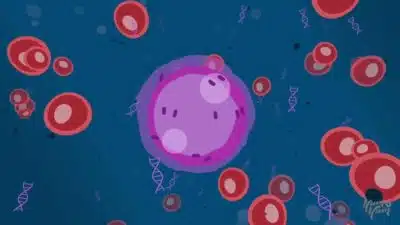
Biotech teams often need to explain something the audience cannot see. A protein interaction, a diagnostic workflow, a cell culture process, a new assay, or a data platform may be central to the product, but none of it is easy to understand from a feature list.
That is where biotech marketing videos become useful. Video can give a scientific process a sequence, show scale that a camera cannot capture, and help different audiences understand the same product at the level they actually need.
The 16 biotech marketing video examples below use animation, live action, testimonials, product demonstrations, 3D, educational content, and branded storytelling. Several are projects we produced at Yum Yum Videos, an animated explainer video agency, so I can also explain some of the production choices from direct experience.
For more healthcare specific examples, see our guides to healthcare explainer videos and healthcare marketing case studies. Our healthcare and biotech explainer videos page also shows how we approach scientific and regulated projects.
Table of Contents
TL;DR
- Biotech marketing videos work best when the visual format matches the communication problem.
- 2D animation and motion graphics are useful for workflows, platforms, and scientific concepts that need structure.
- 3D is a better fit when spatial accuracy, anatomy, microscopic structures, or product mechanics matter.
- Live action and testimonials help when the people, lab environment, or customer experience are part of the proof.
- The audience should determine the level of scientific language. A clinician, patient, investor, and procurement team do not need the same explanation.
What Makes Biotech Marketing Videos Different?
Biotech video marketing has a narrower margin for vague language than most categories. A beautiful piece can still fail if the science is wrong, the audience cannot follow the process, or the visuals imply something the product does not actually do.
In our healthcare and biotech work, the production conversation often starts before animation. We need to know what the viewer already understands, which terms must stay technically precise, what the scientific team needs to review, and which parts of the process need a visual model.
That is also why one biotech marketing strategy can use several formats. A product launch may need an animated explainer. A lab workflow may need a demonstration. A patient story may work better in live action. A sales team may need a shorter product video with only the information relevant to a buying conversation.
16 Best Biotech Marketing Video Examples for 2026
| Company | Video approach | What to learn from it |
|---|---|---|
| Thermo Fisher | Animated product explainer | Give a scientific product a clear visual sequence |
| Beckman Coulter | Character animation | Start from the audience’s daily problem |
| BPS Bioscience | Live action company video | Use scientists and leaders as part of the message |
| SCIEX | Educational video series | Build repeatable content around expertise |
| Standard BioTools | Testimonial | Let a customer explain the practical value |
| Natera | Animated healthcare explainer | Visualize a process patients cannot see |
| Akoya Biosciences | Mixed media | Assign a job to live action, motion graphics, and 3D |
| Boehringer Ingelheim | Brand storytelling | Connect disease awareness with patient experience |
| Twist Bioscience | Motion graphics | Make branding part of the visual system |
| Evivo | Animated explainer | Use the opening to define the question immediately |
| Dovetail Genomics | How to video | Demonstrate a process directly |
| Moderna | Mission video | Put people behind the science on screen |
| Ultivue | 3D animation | Use dimensional visuals when spatial accuracy matters |
| Samsung Biologics | Brand advertisement | Keep a simple concept visually consistent |
| Regeneron | Music led brand film | Build the message without relying on narration |
| Amgen | Patient education | Support technical language with on screen explanations |
1. Thermo Fisher: Give a Scientific Product a Visual Sequence
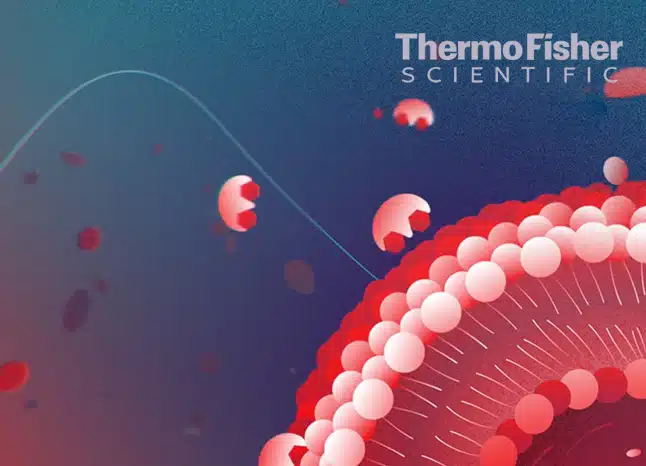
Thermo Fisher’s Nunc UpCell Cell Culture System involves a process that is much easier to understand when the viewer can see what happens over time.
For this project, we used animation to move from the microscopic level into the laboratory workflow. The product explanation follows the scientific sequence, so the viewer sees where the system fits before receiving every technical detail.
This is a useful approach for biotechnology marketing videos because a product often makes more sense when the audience sees what changes from one stage to the next. Scientific accuracy still matters, but the sequence gives those details a place to land.
2. Beckman Coulter: Start With the Workday Your Audience Already Knows
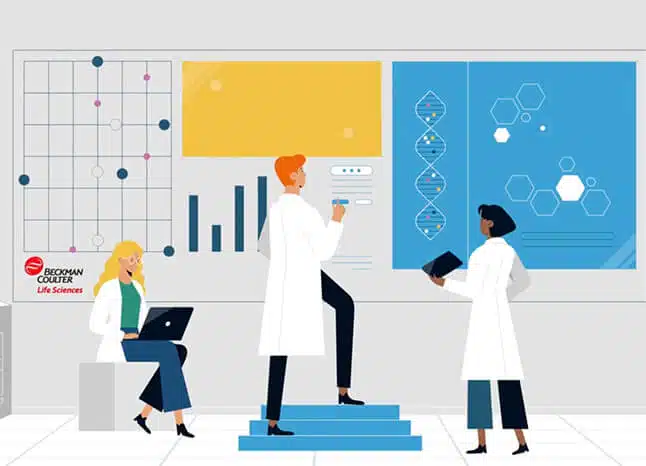
Beckman Coulter serves professionals who already understand laboratory work. The video does not need to teach them what a busy lab feels like.
Instead, animated clocks, calendars, unread messages, and pending tasks create a familiar workday before the product appears. The audience recognizes the pressure first, then sees how the service fits into that situation.
For a technical B2B audience, this can be more effective than opening with company history. Familiar context buys the script time to introduce the product without forcing the viewer through a long setup.
3. BPS Bioscience: Put the People Behind the Science on Camera
BPS Bioscience uses leaders and team members to introduce the company, its work, and its purpose.
That choice matters in a field where buyers may care about the people responsible for the science, manufacturing, quality, or research support. The team becomes part of the evidence.
Live action is a natural fit when the lab environment, leadership, or scientific staff are important to the story. The camera can show the people and facilities directly instead of recreating them with animation.
4. SCIEX: Turn Scientific Expertise Into a Video Series
SCIEX uses educational video as a recurring format instead of treating each piece as an isolated campaign.
A series gives the company room to go deeper into topics that would be crowded inside one general explainer. It also creates a consistent visual and editorial structure, which makes future content easier for the audience to recognize.
For biotech content marketing, a series is especially useful when the company has subject matter experts who can return to answer questions, discuss methods, or explain new applications over time.
5. Standard BioTools: Let a Customer Explain the Practical Value
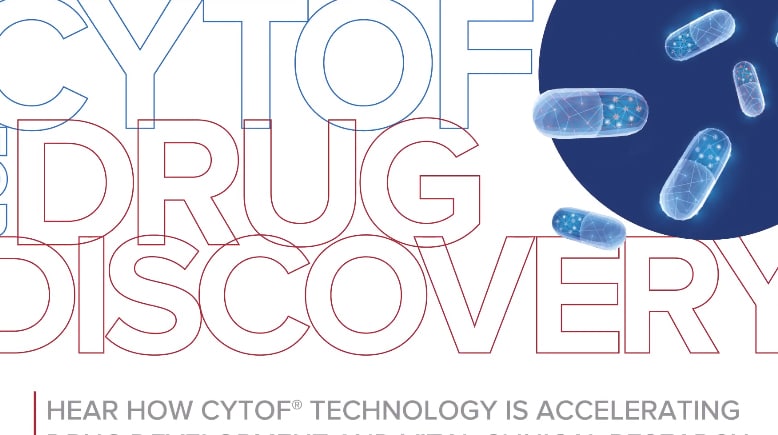
Standard BioTools uses a short testimonial to show what the product changes for a real user.
The piece works because the customer talks about the experience from inside the workflow. That is different from a company describing its own benefits. The viewer hears how the product affects someone’s work and can compare that experience with their own situation.
Testimonials are a strong fit for biotech marketing when the proof comes from adoption, usability, workflow improvement, or customer experience.
6. Natera: Show a Medical Process Patients Cannot See
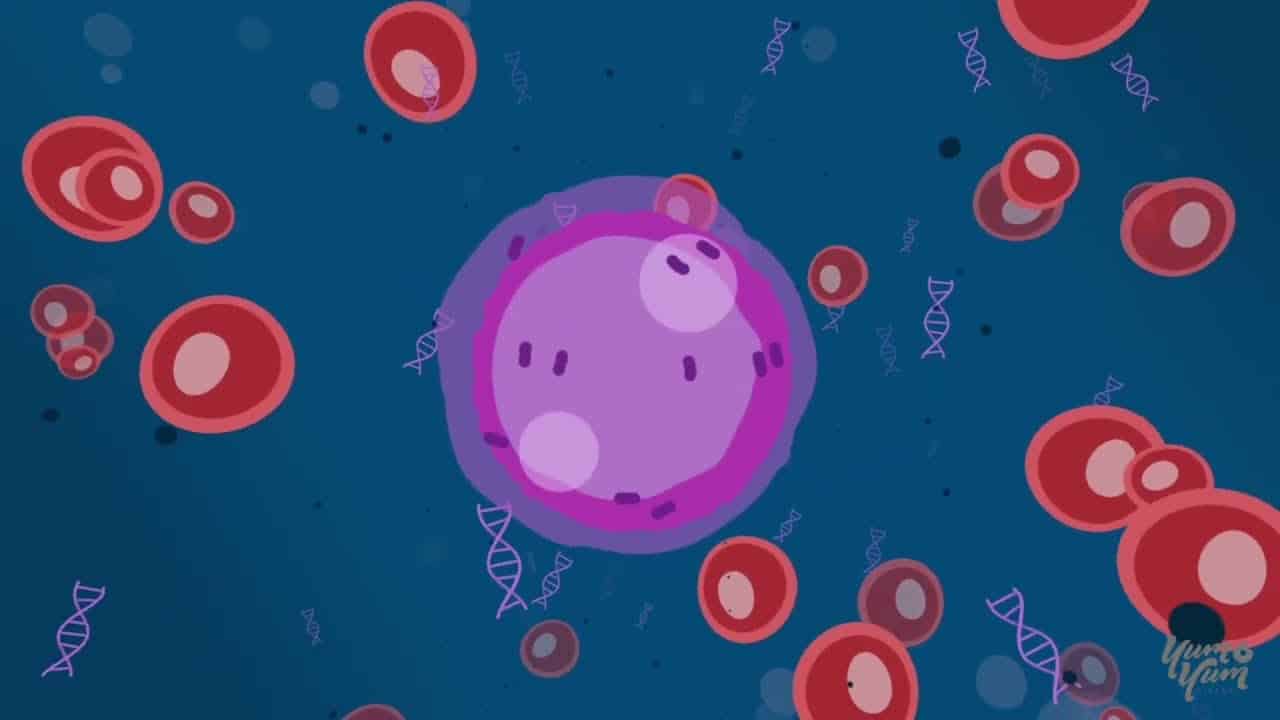
Natera needs to explain cancer testing to people who may already be dealing with a stressful medical situation. The science cannot disappear, but the explanation still has to be easy to follow.
Animation gives concepts such as circulating tumor DNA a visible form and shows how the test fits into the process. The viewer can follow the logic instead of trying to build the whole picture from narration alone.
This is closely related to the work we have done for MedVector, where three whiteboard animation videos helped explain a clinical trial platform to investors and other stakeholders. MedVector later secured $3.5 million in funding during the broader period in which video was used as a primary communication asset. The funding belongs to MedVector. The MedVector case study documents the video work and company timeline.
7. Akoya Biosciences: Give Each Visual Technique a Different Job
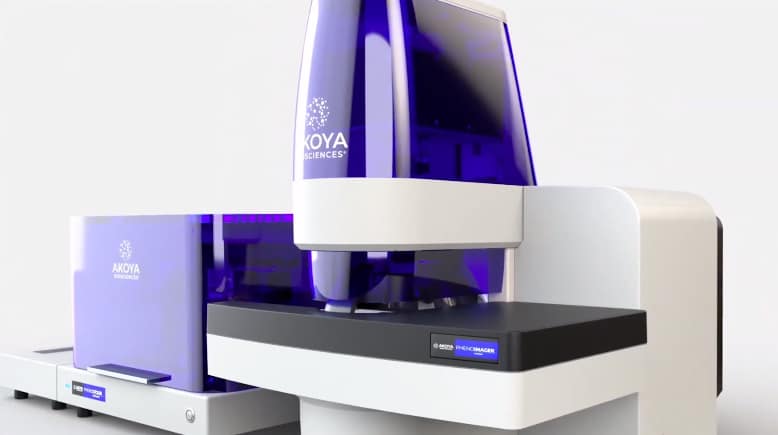
Akoya Biosciences mixes live footage, motion graphics, and 3D.
The useful part is that the formats are not interchangeable. Live action shows the real product and laboratory context. Motion graphics support text and transitions. 3D handles elements that benefit from a more dimensional representation.
Mixed media works well in biotech when one visual language cannot carry the whole explanation. The production stays coherent when each technique solves a specific problem.
8. Boehringer Ingelheim: Use Storytelling for Disease Awareness

Boehringer Ingelheim uses video to discuss generalized pustular psoriasis through patient experience and community awareness.
The company is present, but the story spends its time on the condition, the people affected by it, and the effort to make the disease better understood.
For biotech brands working in rare disease or patient education, this is a useful reminder that the product does not always need to lead the narrative. Sometimes the audience first needs context for the condition itself.
9. Twist Bioscience: Build Branding Into the Motion System
Twist Bioscience uses a restrained motion graphics approach with a consistent color palette, typography, and animation style.
That visual consistency makes the piece feel connected to the rest of the brand while the motion carries technical information.
For biotech marketing videos, branding works best when it helps organize the explanation. Color can separate concepts, typography can establish hierarchy, and motion can show relationships between parts of the system.
10. Evivo: Use the Opening to Define the Question
Evivo opens by telling the viewer exactly what subject the video will address: infant probiotic health.
That gives the audience a clear reason to keep watching. The voiceover then moves at a calm pace while the animation supports the explanation.
We produced this piece for Evivo, and the main lesson is simple. In a technical healthcare or biotech video, the first few seconds should tell the audience what problem or question the piece is going to resolve.
11. Dovetail Genomics: Demonstrate the Process Directly
Dovetail Genomics uses a how to format to show a product related process step by step.
This is the right choice when the procedure itself is what the viewer needs to understand. A demonstration can answer practical questions faster than a conceptual explainer because the audience sees the sequence exactly as it happens.
For teams planning internal education, customer onboarding, or repeatable scientific procedures, our guide to training video production companies can help compare production options.
12. Moderna: Connect the Mission With the People Doing the Work
Moderna uses a short brand film to communicate company mission while showing the team behind the work.
The scientific organization becomes easier to understand when viewers can connect the mission with real people and environments. The video is less about a specific product and more about the company identity that sits behind its research.
This format can work well for recruiting, investor communications, company introductions, and broader brand campaigns where the organization itself is the subject.
13. Ultivue: Use 3D When Spatial Accuracy Matters
Ultivue uses 3D animation to represent microscopic tissue samples and the way its technology works.
That makes sense because the viewer needs dimensional information. Flat illustration can explain many scientific ideas, but some products depend on depth, structure, position, or physical interaction.
3D earns the additional production work when the third dimension adds information the audience actually needs.
14. Samsung Biologics: Keep the Visual Idea Simple
Samsung Biologics uses live footage, black and white typography, and a small amount of animated color.
The limited visual system makes the piece easy to recognize and keeps the message from competing with too many design ideas at once.
For biotech advertising, simplicity can be useful when the brand already has a clear message and the video only needs one visual concept to carry it.
15. Regeneron: Build a Brand Film Without Voiceover

Regeneron’s piece relies on music, footage, editing, and text instead of a narrator.
That changes the pacing. The viewer has to read the message from the images and on screen text, so each shot carries more responsibility.
This can be a practical format when a campaign needs to work across events, social feeds, presentations, or environments where audio may not always be available.
16. Amgen: Support Patient Education With On Screen Definitions
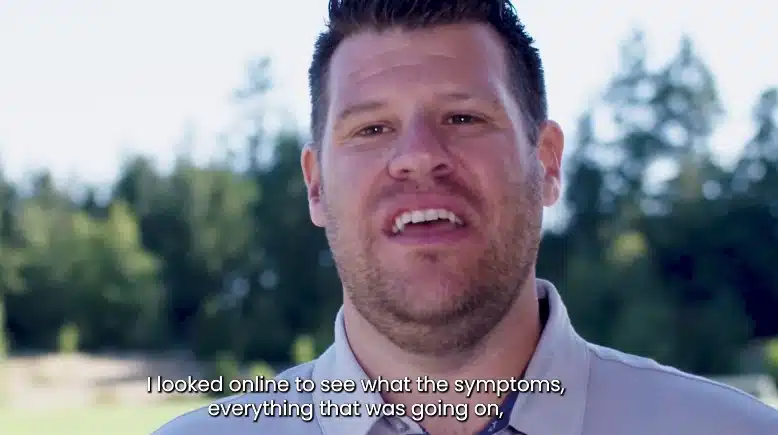
Amgen combines patient stories with text that explains medical terms as they appear.
The technique respects the subject without assuming the audience already knows every clinical term. Viewers can stay with the story while the video provides the extra information they need at the moment it becomes relevant.
That is a useful pattern for patient facing biotech and healthcare content. Keep the accurate term when it matters, then give the audience enough context to understand it.
Which Video Style Fits a Biotech Marketing Strategy?
| Communication need | Useful format | Examples above |
|---|---|---|
| Explain an invisible process | 2D animation or motion graphics | Thermo Fisher, Natera, Twist Bioscience |
| Show spatial or microscopic detail | 3D animation | Ultivue, Akoya Biosciences |
| Show the real product or lab | Live action or mixed media | BPS Bioscience, Akoya Biosciences |
| Teach a repeatable process | How to or training video | Dovetail Genomics |
| Build trust from experience | Testimonial | Standard BioTools |
| Explain to patients | Animation with clear supporting text | Natera, Amgen |
| Communicate company mission | Brand film | Moderna, Regeneron |
What We Have Learned From Biotech Video Production
After more than 1,000 video projects across industries, healthcare and biotech consistently require more technical review than most categories.
Scientific Review Should Happen Before Animation
It is much easier to correct a molecule, device, workflow, or clinical detail while it is still an illustration or storyboard. Once animation begins, the same change can affect several scenes.
For technical projects, we build review time into the process so the client’s scientific or product team can check the visuals before they move.
Audience Knowledge Changes the Script
A researcher may already understand the scientific terminology. A patient may need definitions and more context. An investor may understand the market but need a clearer product model.
We do not remove technical language automatically. We decide what the audience needs explained and what can stay as domain language.
The BrightInsight case study is a good example of balancing technical accuracy with a clear explanation for professional healthcare audiences.
The Visual Style Should Solve a Communication Problem
Whiteboard animation is useful for sequence. Motion graphics work well for systems, data, and interfaces. 3D can show spatial detail. Live action can show labs, teams, and real products.
The style decision becomes much easier after the communication problem is clear.
How Much Does a Biotech Marketing Video Cost?
Cost depends on length, style, scientific complexity, revisions, and deadline.
In our 2026 animation pricing research, we contacted 125 animation companies and collected 61 usable quotes. The median quote was $9,680 per minute.
Biotech projects can move above or below that reference depending on what has to be produced. 3D modeling, technical illustration, detailed product animation, and additional scientific review can add production work.
Our animation cost study explains the methodology and broader pricing ranges.
Biotech Marketing Video FAQ
What is a biotech marketing video?
A biotech marketing video is a video created to explain, demonstrate, promote, or educate around a biotechnology product, service, company, scientific process, or medical application.
What types of biotech marketing videos work best?
The format depends on the job. Animated explainers are useful for invisible processes. 3D works when spatial accuracy matters. Testimonials provide customer experience. Live action can show labs, products, and teams. Training videos are useful for repeatable procedures.
How long should a biotech marketing video be?
Many product explainers fit between 60 and 120 seconds, but technical or educational videos may need more time. The audience and the amount of context should determine the runtime.
Can biotech videos use technical language?
Yes. The audience should determine how much terminology the script uses. A video for scientists or clinicians can preserve technical vocabulary that would need more explanation in patient facing content.
Where should biotech companies use video?
Common placements include product pages, sales presentations, conferences, investor materials, patient education, onboarding, training, social campaigns, and company websites.
Before You Produce a Biotech Marketing Video
Write down four things before discussing animation style:
- Who needs to understand the subject?
- What part is hardest to explain with words or static images?
- Which scientific details must stay exact?
- What should the viewer understand or do at the end?
Those answers usually tell you whether the project needs animation, live action, 3D, a testimonial, a demonstration, or a combination of formats.

Victor Blasco
Co-founder of Yum Yum Videos | Explainer Video & Video Marketing Expert
Victor Blasco has over 25 years of experience in animation and film production. For the past 14+ years, he has worked with companies to create explainer and marketing videos that simplify complex ideas and drive business results.
His work has supported global brands like Amazon and McKesson, as well as startups that raised over $2B and reached unicorn or IPO stages.
Victor shares insights based on real client work. His contributions have been published on platforms like Social Media Examiner, and he has been featured or quoted in outlets such as Forbes.